
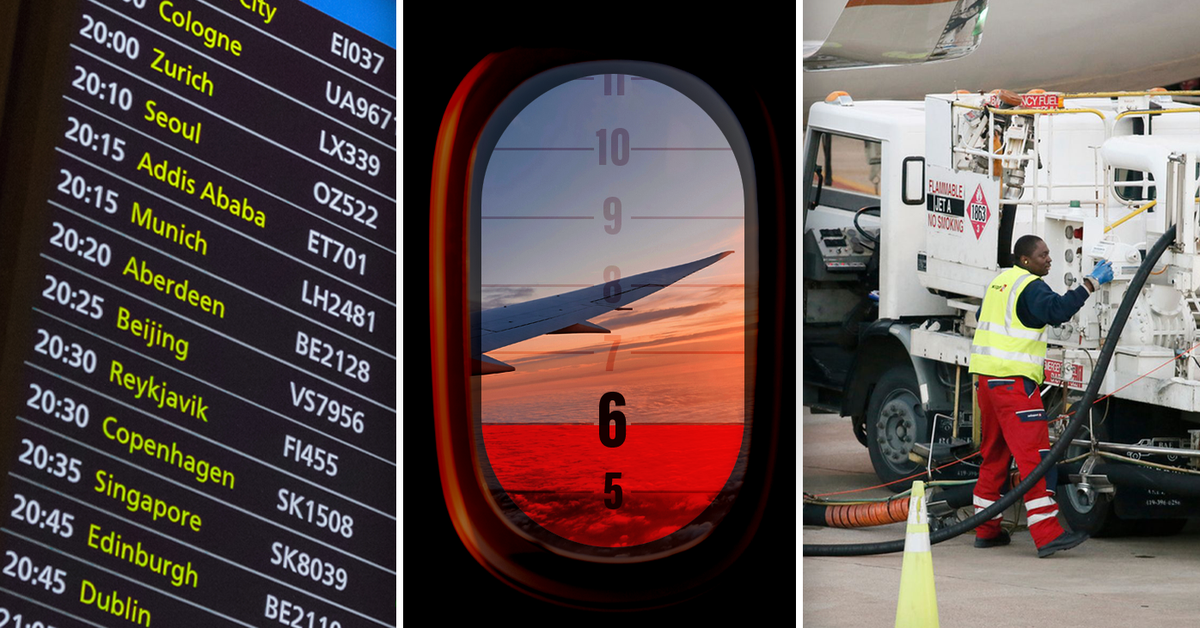
The International Energy Agency (IEA) has issued a stark warning indicating that Europe could be left with only “maybe six weeks or so” of jet fuel supplies due to ongoing disruptions in vital oil and gas transportation through the Strait of Hormuz. IEA Executive Director Fatih Birol described the current situation as “the largest energy crisis we have ever faced,” emphasising the severe global implications it may have on economic growth and inflation.
Birol compared the crisis to the concept of “Dire Straits,” suggesting that the longer it persists, the more detrimental it will be for the world economy. He predicted significant increases in fuel prices, including petrol, gas, and electricity costs. The closure of the Strait of Hormuz, through which nearly 20% of the world’s oil trade passes during peacetime, poses a threat of cancelled flights as airlines struggle with dwindling fuel reserves.
Airlines like KLM and easyJet have reported that they currently do not face shortages, while Delta Air Lines is monitoring the situation but does not foresee immediate effects. Despite some airlines maintaining several months of jet fuel supply, concerns remain that new shortages could impact operations. Jet fuel constitutes about 30% of airlines’ total costs, and prices have surged roughly twice since the onset of the crisis.
To understand jet fuel logistics, it is important to note that the fuel is processed from crude oil in refineries before being transferred via ships and pipelines to airports, where airlines maintain storage. The sensitivity of supply means that shortages in specific regions might not immediately translate to flight cancellations, but it could lead to soaring ticket prices.
The IEA has highlighted that numerous European countries are operating with less than 20 days of fuel supply, a significant drop from the 29-day threshold maintained since 2020. The ongoing blockade at the Strait of Hormuz has resulted in a loss of 10 to 15 million barrels of oil daily, jeopardising refinery operations across Europe and Asia.
While the IEA has released 400 million barrels from its emergency reserves to address the crisis, it is expected that the impact of this intervention will not be felt in the short term, potentially taking until the year’s end to recoup supplies effectively.
The urgency of the matter is magnified by events such as the fire at the Viva Energy refinery in Geelong, Australia, which has raised alarms regarding the nation’s fuel supply, although officials have stated that output remains stable despite the incident. The situation continues to unfold, and the looming threat of fuel shortages remains a critical concern for the aviation sector and global economy.