
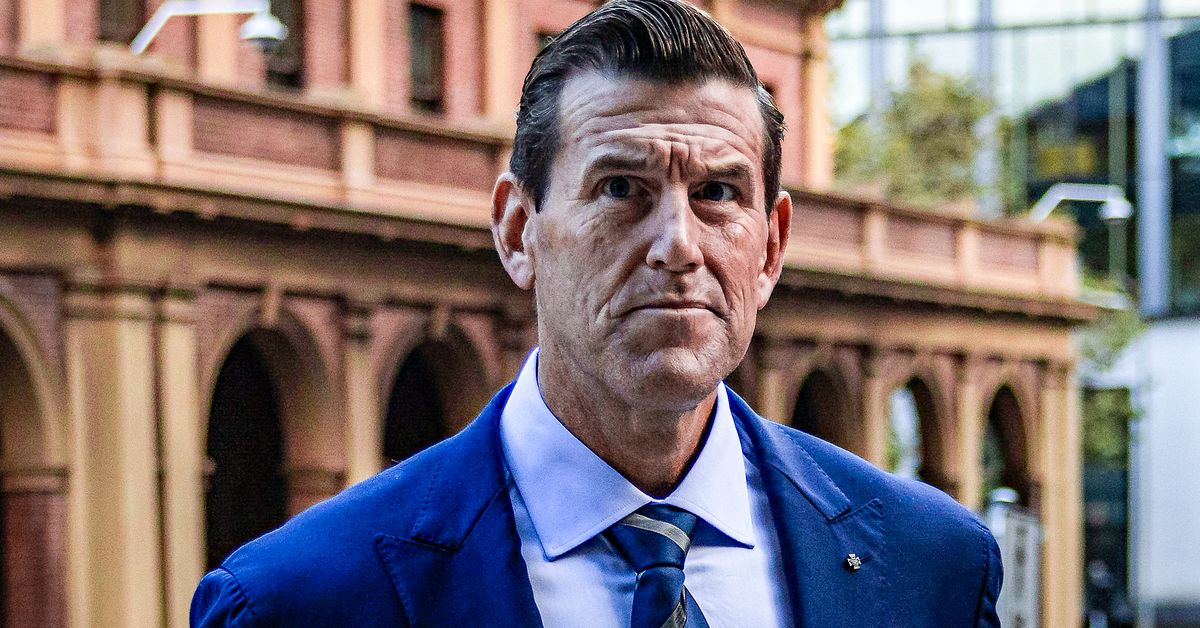
Ben Roberts-Smith, a recipient of the Victoria Cross and a former SAS soldier, is set to request bail today after spending over a week in custody on severe war crime charges. The 47-year-old was arrested on April 7, accused of murdering five unarmed Afghan individuals during his military service in Afghanistan from 2009 to 2012. His case is scheduled to appear at Sydney’s Downing Centre Local Court, where he will likely connect via audio-visual link.
Roberts-Smith, who is Australia’s most decorated living soldier, faces allegations of directly killing two Afghan civilians and being complicit in the deaths of three others. Specific incidents cited include the purported murder of Mohammed Essa in Uruzgan Province in April 2009, where he allegedly directed another soldier to carry out the killing. Additionally, he is accused of killing Ahmadullah during the same operation and ordering the murder of another civilian named Ali Jan during a raid in September 2012.
The remaining charges stem from events in Syahchow, Uruzgan, where he allegedly collaborated in the murder of an unidentified Afghan prisoner alongside another soldier, with both victims classified in official reports as enemies killed in action.
Roberts-Smith has vehemently denied all accusations, which were first brought to light in a 2018 report by former Fairfax Media, now owned by Nine. Following the revelations, he launched a defamation lawsuit against the publication but faced significant setbacks as the Federal Court ruled that the allegations of murder were, on balance, true. This decision was upheld by both the Full Federal Court and the High Court upon appeal.
The shifting of the case from a civil defamation trial to serious criminal charges requires prosecutors to demonstrate guilt beyond a reasonable doubt, marking a significant legal transition for Roberts-Smith. He is not alone in facing such allegations; another former SAS soldier, Oliver Schultz, was charged in 2023 for the murder of an Afghan man, Dad Mohammad, in Uruzgan Province in 2012. Both former soldiers maintain their innocence regarding the charges they face.
As the legal proceedings unfold, the implications of these accusations continue to resonate, reflecting broader concerns about military conduct and accountability in warfare.