
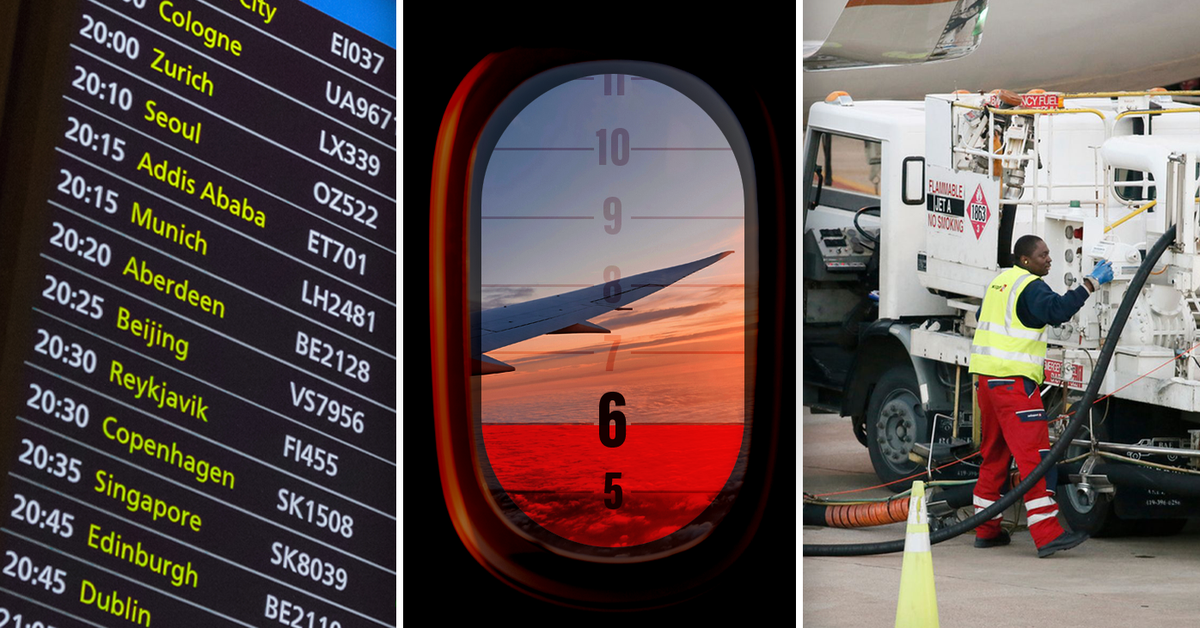
The head of the International Energy Agency (IEA), Fatih Birol, has issued a serious warning regarding Europe’s dwindling jet fuel supplies, indicating that there may only be six weeks’ worth left. The ongoing energy crisis, described by Birol as the most severe ever, results from disruptions in oil and gas supplies through the critical Strait of Hormuz, which is vital for global energy trade.
Birol cautioned that the ramifications of this situation will lead to increased prices for petrol, gas, and electricity, negatively impacting economic growth and inflation worldwide. He highlighted that if the Strait of Hormuz remains closed, Europe could soon face flight cancellations due to insufficient fuel.
While Dutch airline KLM and UK carrier easyJet reported no immediate fuel shortages, there are underlying concerns about potential supply disruptions. Delta Air Lines is also monitoring the situation, acknowledging the risk without predicting immediate impacts.
Typically, European countries maintain several months’ worth of jet fuel supply, but the current IEA report indicates that some are now falling below 20 days of coverage. Jet fuel, which constitutes about 30% of an airline’s operating costs, has seen its prices nearly double since the onset of the war in Ukraine. Airlines are likely to experience further financial strain as shortages mount and fuel costs rise.
The report mentions that the closure of the Strait of Hormuz is causing a loss of 10 to 15 million barrels of oil daily, leading to potential disruptions in the operations of refineries in Europe and Asia. Although the IEA has released 400 million barrels of oil from emergency reserves, experts suggest that these measures may not be sufficient to alleviate immediate supply issues.
Despite some European countries having strategic reserves, the current crisis highlights vulnerabilities in the fuel supply chain, particularly for airlines that are expected to pass on higher costs to consumers. The situation remains fluid, and its evolution could significantly impact international air travel and the broader economic landscape.