
Israel and Lebanon have come to an agreement on a ten-day ceasefire, as announced by U.S. President Donald Trump. This follows the first direct diplomatic discussions between the two countries in decades, held in Washington just two days prior. The ceasefire is set to commence at 5pm Eastern Time, which corresponds to 7am AEST on Friday, and comes in the wake of over a month of conflict involving Israel and the Iran-backed Hezbollah group.
Lebanon has been firm in its demand for a ceasefire to halt the ongoing hostilities before any further negotiations can take place, while also pledging to pursue the disarmament of Hezbollah.
In light of the ceasefire, President Trump has extended invitations to both Israeli and Lebanese leaders to visit the White House for what he describes as the “first meaningful talks” since the 1983 agreement, which aimed at formally normalising relations between the two nations. This deal stipulated that Lebanon would acknowledge Israel, and in return, Israel would retreat from Lebanon. However, this agreement was rendered void amid the civil unrest and the civil war in Lebanon that followed shortly thereafter.
Taking to social media, Trump conveyed optimism about the potential for peace, stating that both sides are keen to achieve it swiftly. He highlighted the strong discussions he had with Lebanese President Joseph Aoun and Israeli Prime Minister Benjamin Netanyahu as instrumental in leading to the current cessation of hostilities.
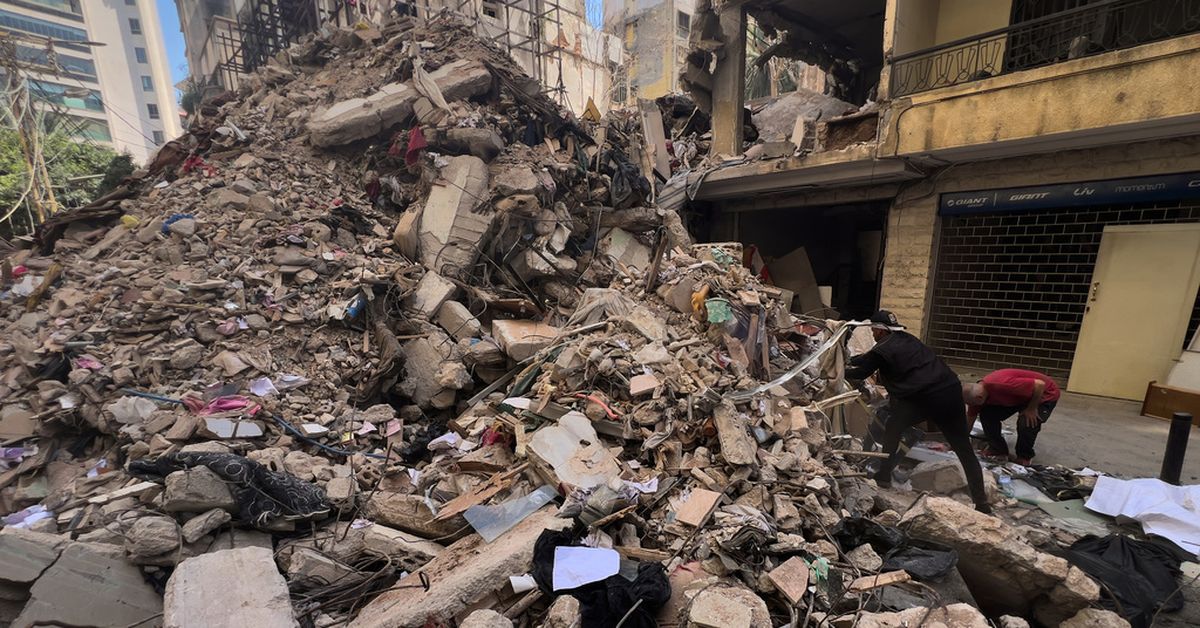
Images from the ongoing conflict depict the destruction in Lebanese cities, with numerous buildings devastated by recent Israeli airstrikes. These visuals serve as a stark reminder of the urgency of establishing a lasting peace between the two nations.
The current situation alludes to a pivotal moment for both Israel and Lebanon in their historically tumultuous relationship, fostering hope for a diplomatic resolution amidst a backdrop of tension and violence.