
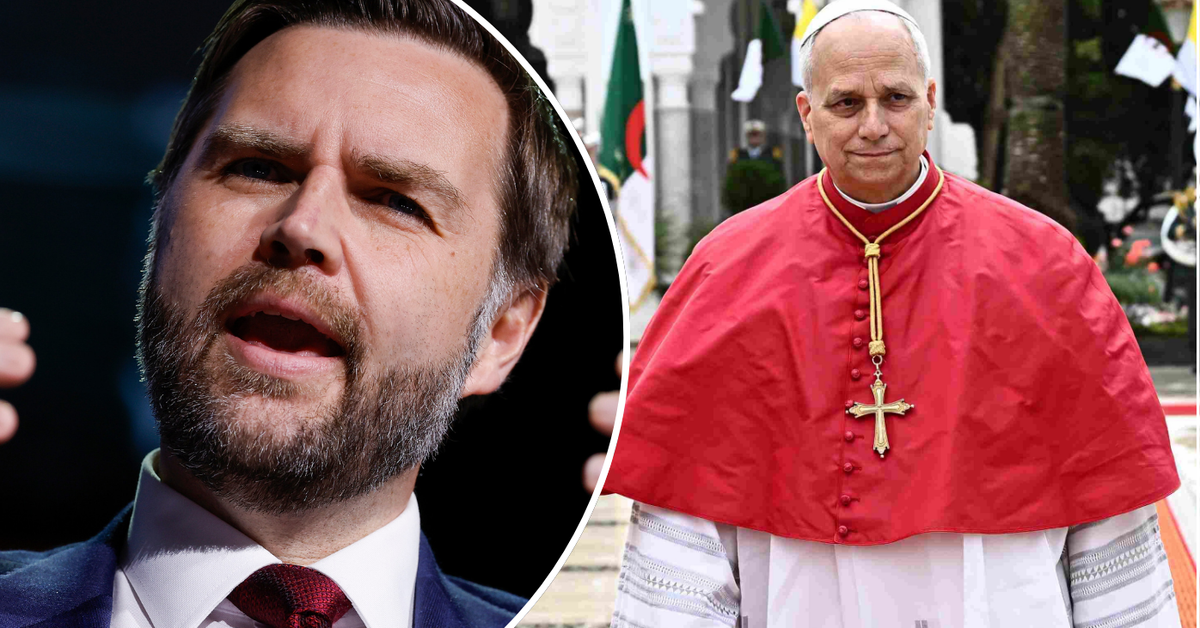
JD Vance, a prominent political figure and former vice president under Donald Trump, addressed the need for caution in theological discussions, specifically targeting comments made by Pope Leo. Speaking at a Turning Point USA event, Vance remarked, “Just as it’s essential for the vice president to approach public policy discussions thoughtfully, the Pope should similarly exercise prudence in discussing theological matters.”
Vance highlighted that theological perspectives must be firmly rooted in truth, a standard he expects from religious leaders across denominations, including Catholic and Protestant clergy. His comments emerged in response to Pope Leo’s assertion that “God does not bless any conflict,” and that genuine disciples of Christ should not endorse violence or warfare.
Vance countered the Pope’s remarks, citing a longstanding tradition of Just War theory, which has influenced theological discourse for over a thousand years. He questioned how the Pope could claim, “God is never on the side of those who wield the sword,” and challenged the implications of such a statement, particularly regarding historical conflicts where the American forces liberated nations from oppressive regimes.
He posed poignant questions: “Was God on the side of the Americans who liberated France from the Nazis?” and “Was God on the side of those who freed Holocaust survivors?”
Notably, Vance, who converted to Catholicism seven years ago, has been vocal about his faith, even penning an autobiography that reflects on his spiritual journey. Since his baptism in 2019, he has identified as a devotee of the Catholic faith, having previously considered himself an atheist.
The discourse surrounding the Pope’s statements has been underscored by recent events, including Trump’s controversial social media post portraying himself in a messianic light, which he claimed was meant as a joke and later deleted. Vance defended Trump by suggesting that the comments were misunderstood.
Additionally, tension has surfaced as Trump critiqued Pope Leo’s leadership, describing him as “weak on crime.” This remark occurred amidst ongoing discussions regarding the role of faith leaders in political discourse, especially in relation to complex ethical issues such as war.
Pope Leo, the first American pontiff, has led the Catholic Church for just under a year and previously held the position of cardinal, being ordained in 1982. As discussions about the intersection of theology and politics continue, figures like Vance remain influential voices in shaping the dialogue.