
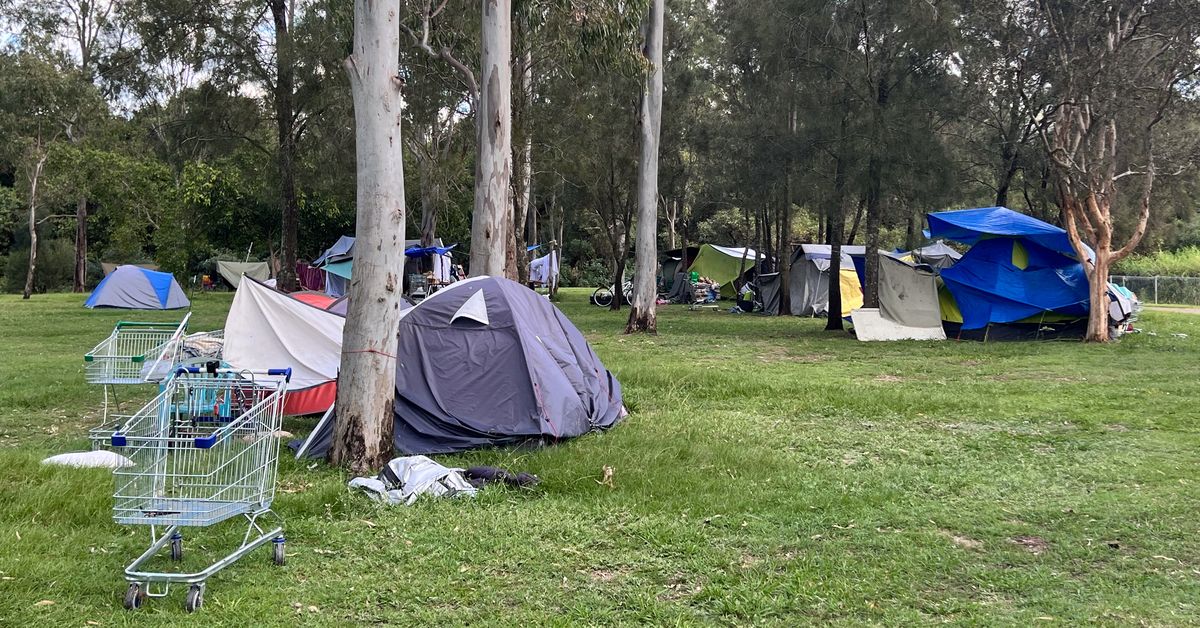
Australia is currently facing a significant crisis concerning the cost of living and the availability of housing, rendering it increasingly difficult for women and children seeking to escape domestic violence. Recent research from the St Vincent De Paul Society reveals alarming statistics regarding this issue.
A national survey indicated that 60% of participants felt they would struggle to afford leaving their homes for safety, primarily due to high upfront rental costs and a lack of accessible, safe accommodation. Notably, 10% of respondents indicated they would have nowhere safe to go in such circumstances.
According to Charlie Spendlove, CEO of St Vincent De Paul Society Victoria, women and children fleeing domestic abuse constitute the largest demographic experiencing homelessness in Australia. She emphasised that women’s homelessness is often not visible; it can manifest in forms such as living in cars or temporary, unsafe situations which makes it less noticeable and harder to fund.
Spendlove shared the story of a woman named ‘Sarah,’ who, despite having invested 15 years in building what seemed like a secure life, faced life-threatening violence behind closed doors. When she made the courageous choice to leave, she not only lost her relationship but also her home. Sarah ended up sleeping in her car and faced unsafe living conditions in various shared accommodations before eventually finding stable housing with assistance from VincentCare.
The economic pressures stemming from the current cost-of-living crisis exacerbate these challenges, making it even more difficult for women in unsafe situations to seek help. The survey data were released in anticipation of the annual Vinnies CEO Sleepout, highlighting the need for open conversations about family violence in the workplace. Over half of those surveyed admitted they wouldn’t feel comfortable reporting family violence to their employers, and only 18% felt equipped to assist a colleague in need.
Spendlove urged businesses to play an active role in addressing this crisis. She stressed the importance of the CEO Sleepout as not just a fundraising event but also a platform for leadership. The revelation that nearly 10% of Australians would have nowhere to turn in a crisis should concern business leaders and stimulate action. This event presents an essential opportunity for corporate leaders to contribute to meaningful solutions, promote awareness, and facilitate access to safe options for those in need.
In summary, the intersection of economic hardship and domestic violence is rendering it increasingly challenging for vulnerable individuals to seek safety, necessitating urgent intervention and support from all sectors of society.