
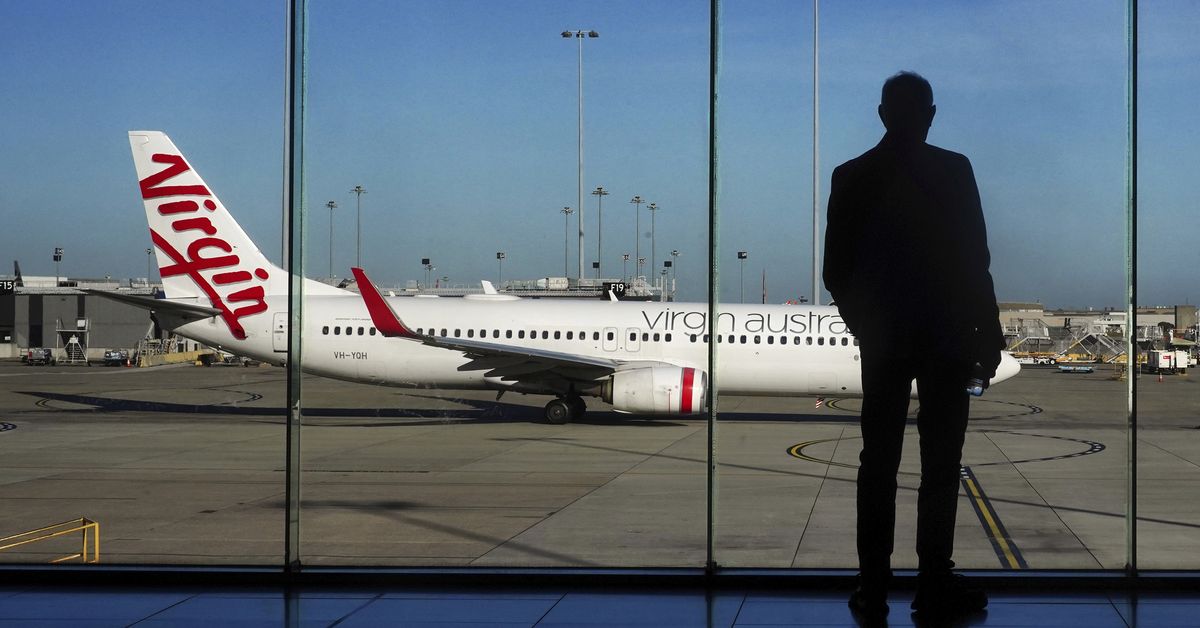
Virgin Australia has recently announced flight cuts and fare increases, joining Qantas amidst rapidly rising fuel costs. This trend reflects the significant impact of escalating fuel prices, which are dramatically affecting the operational expenses of Australian airlines.
The airline has projected an additional financial burden of between $30 million and $40 million for the latter half of the 2025-2026 financial year due to fuel expenses. Consequently, Virgin Australia plans to reduce its domestic flight capacity by 1% over the upcoming three months, while aiming to boost revenue per seat from 3-4% to 5%.
The volatility in jet fuel prices has been particularly concerning, with expenses more than doubling since late February 2026. In response, Virgin intends to utilise hedging strategies to manage these fluctuations, while also implementing fare increases and adjusting flight capacities as necessary.
Qantas has simultaneously reduced its domestic capacity by 5%, anticipating fuel costs between $3.1 billion and $3.3 billion for the second half of the financial year. The airline indicated that soaring refinery costs, which rose from $20 to $120 per barrel of crude oil, would result in a financial hit of approximately $500 million to $800 million.
To address these challenges, Qantas has reassured stakeholders that it is actively collaborating with both the government and jet fuel suppliers, who maintain confidence in future fuel supplies through April and May. The airline is closely monitoring the evolving global fuel supply situation, particularly in light of ongoing uncertainties stemming from international conflicts.
A recent report from Morningstar DBRS highlights that Australian airlines are particularly vulnerable to these developments. Analysts note that airlines employing robust fuel hedging strategies may fare better initially; however, any prolonged global fuel shortages could leave many carriers exposed. The ongoing conflict in the Middle East, coupled with export limitations from major suppliers like China, raises the potential for significant physical jet fuel shortages, particularly affecting airlines reliant on these imports.
In summary, with fuel costs soaring and international supply chains facing disruptions, Virgin Australia and Qantas are adapting by cutting flights and raising ticket prices to manage financial strain. The current climate necessitates cautious navigation of the volatile fuel market for airlines in Australia and beyond.