
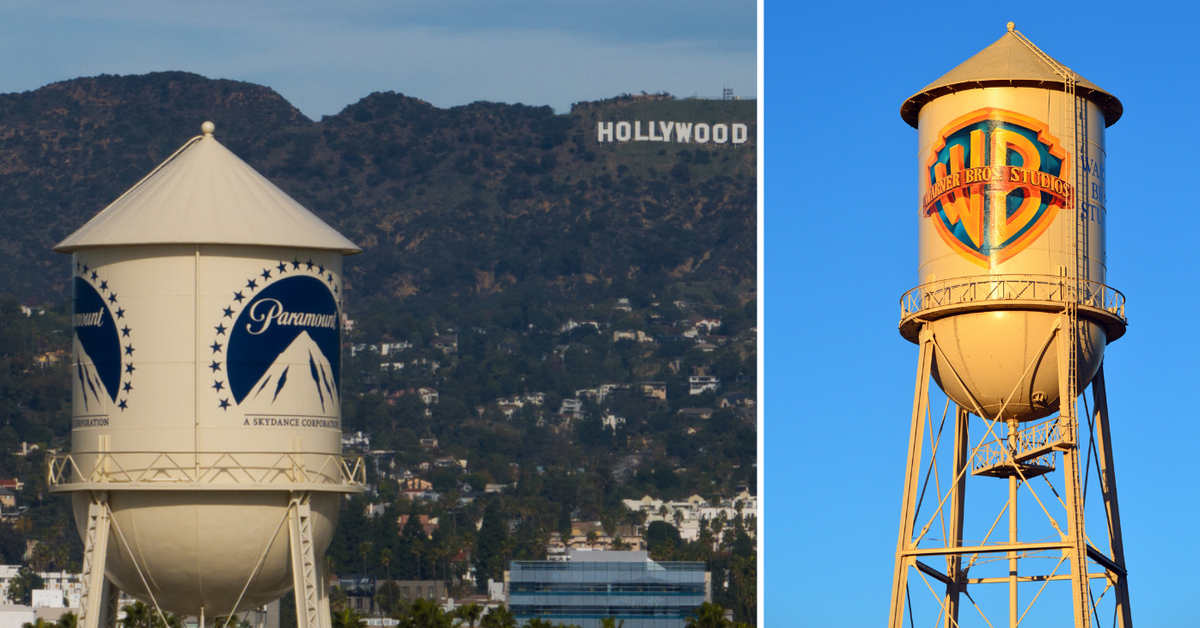
Warner Bros Discovery has secured shareholder approval for a monumental $US81 billion ($113.5 billion) merger with Paramount. The deal, which values the combined entity at approximately $US111 billion ($155.6 billion) inclusive of debt, garnered significant backing from Warner’s shareholders, with a vote reported on Thursday (early Friday AEST) revealing overwhelming support for the sale at $US31 ($43) per share.
The proposed merger will unite renowned franchises such as HBO Max’s blockbuster titles—including the Harry Potter series—and CNN with Paramount’s offerings like Top Gun and its streaming platform, Paramount+. Warner Bros Discovery CEO David Zaslav heralded the shareholder nod as a "key milestone" towards finalising the merger, while Paramount anticipates completion in the upcoming months, aspiring to create a next-generation media powerhouse.
However, the merger has yet to pass regulatory scrutiny, with critics concerned about the consolidation of power in an already dominant media landscape. Voices opposing the deal have raised alarms over potential job losses and diminished creative choices. Advocacy group Jane Fonda’s Committee for the First Amendment described the shareholder vote as a "serious setback" but insisted they would continue to challenge the merger’s implications.
Paramount’s pursuit of Warner has been turbulent; previously, Warner considered a $US72 billion deal with Netflix before ultimately opting for Paramount’s bid, which eclipsed Netflix’s offer. This merger amalgamates two of Hollywood’s iconic studios and their respective streaming services under one roof, promising consumers larger content libraries. Yet critics warn this may also lead to heightened streaming costs and reduced content diversity.
While Paramount’s leadership promises filmmakers a stable environment, including a 45-day theatrical release guarantee and the intention to continue releasing 30 films annually under the merged entity, the business strategy hints at future cost-cutting measures, including potential layoffs.
Political influences have encircled the merger discussions, with notable concerns highlighted by Democratic lawmakers who initiated a hearing on antitrust issues linked to the merger. In addition, Trump has weighed in on the matter, despite asserting that political considerations wouldn’t dictate the regulatory process.
Paramount has garnered backing from various sovereign funds from the Middle East, yet these investors will not possess voting rights in the prospective merged company. Regulatory bodies in Europe and state authorities in the U.S. are also monitoring the deal, suggesting that opposition may continue.
Market reactions to the merger news resulted in a drop in shares for both Paramount and Warner Bros following the shareholder vote. As this deal pushes towards completion, the ramifications for Hollywood, media diversity, and consumer choices continue to unfold.