
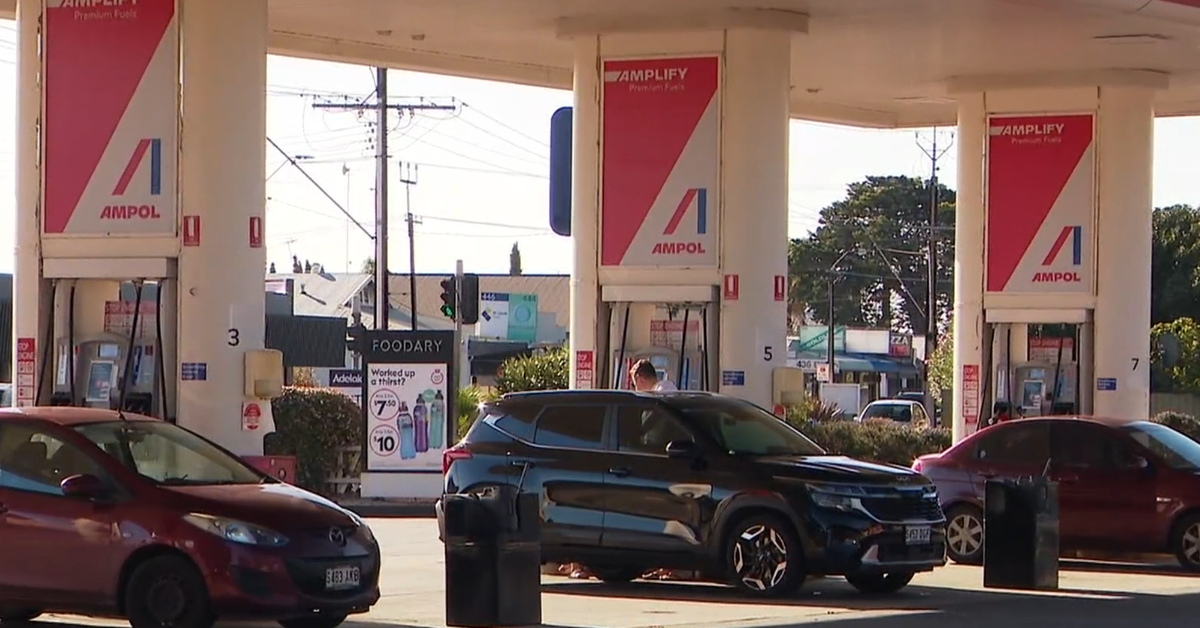
Australia is currently experiencing a significant increase in petrol supply, now boasting 46 days’ worth of petrol reserves, which is ten days more than prior to the recent conflict in the Middle East. This crisis has prompted the nation to expand its search for petrol sources and has accelerated the shift towards electric vehicles among consumers.
Three weeks ago, U.S. President Donald Trump encouraged countries grappling with fuel shortages to consider purchasing oil from the U.S., stating, “we have plenty.” In response to the ongoing situation, Australian Prime Minister Anthony Albanese outlined that the nation must diversify its fuel sourcing to address potential shortfalls. He highlighted that the U.S. has become a more prominent supplier, contributing around 18% to Australia’s fuel imports, while Argentina’s share has also increased.
Albanese emphasised the importance of securing fuel supplies amidst the ongoing crisis, which has broader implications as the war continues. He stated, “We’ll continue to work to diversify where we can get fuel from.” Climate Change and Energy Minister Chris Bowen echoed this sentiment, expressing confidence in Australia’s fuel security under the current circumstances.
Despite global uncertainties surrounding oil prices and accessibility, many Australians are choosing to transition to electric vehicles, with 57% citing cost savings as their primary motivation. There has been a noticeable rise in uptake among voters from outer suburban and conservative demographics, particularly due to federal tax breaks incentivising electric vehicle purchases. However, the future of these incentives remains uncertain as discussions around potential rollbacks are underway.
Polling indicates that 60% of current electric vehicle owners might not have made the switch without government assistance. The removal of such tax exemptions could adversely affect lower-income Australians, as noted by analysts.
As the situation evolves, the implications of the Middle Eastern conflict on Australia’s fuel prices and overall economy remain a concern. The national fuel security plan currently stands at level two, but measures may escalate to recommending reduced fuel usage or even introducing rationing if circumstances worsen. South Australian Premier Peter Malinauskas stressed the need for collaboration among state and federal governments to effectively manage the situation, stating, “It is absolutely essential that governments around the country, state and federal, work collaboratively and in lockstep.”
Overall, while Australia appears to be in a stable position for fuel supply for now, ongoing international tensions and their potential repercussions at the petrol pump continue to loom over motorists and policymakers alike.