
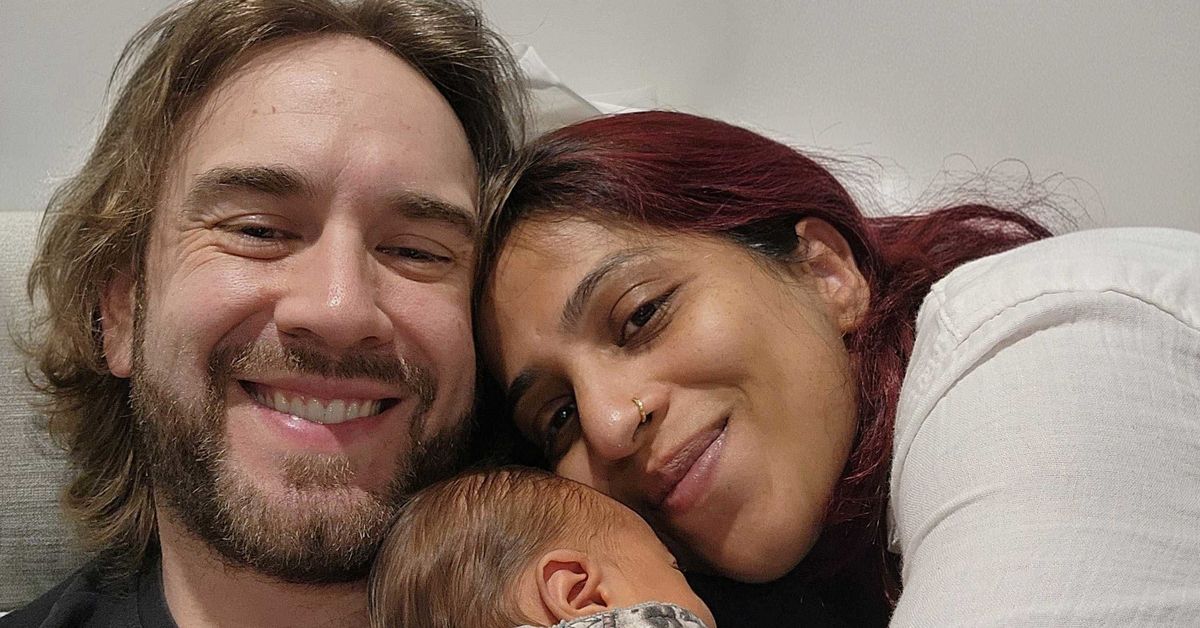
A new mother from Adelaide, Nandini Hutchens, has voiced her frustration over an “unfair” legislation that resulted in the denial of her application for paid parental leave benefits offered by the federal government. Shortly after the birth of her daughter in October last year, Hutchens applied for the leave, anticipating no complications. However, she was taken aback on Christmas Eve when her application was rejected, missing out on a payment that totals 24 weeks at the national minimum wage, amounting to approximately $22,750 before tax.
The rejection stemmed from a waiting period for “newly-arrived residents,” which stipulates that applicants must have been permanent residents for a minimum of two years. Hutchens moved to Australia from India eight years prior, completing her master’s degree in physiotherapy and subsequently working full-time in South Australia since 2019. Delays caused by the pandemic hindered her from securing permanent residency until December 2024, impacting her eligibility for financial support during this critical time.
Hutchens firmly believes that the classification as a “newly-arrived resident” does not fairly represent her situation, as she has been contributing to the Australian workforce and paying taxes for seven years. She expressed her sentiments, stating, “It feels deeply unfair to contribute to a system that supports other families, yet be excluded from the same support myself.”
While Hutchens’ husband, Corey, who is an Australian citizen, could apply for the parental leave, he faces challenges due to his role managing the family business, which restricts his ability to take time off work. The couple, having recently purchased a house, was reliant on the government support for managing their mortgage with a single income during Hutchens’ maternity leave. Although she is entitled to six weeks of paid parental leave through her employer, she finds it inadequate for their financial needs.
Given the circumstances, Hutchens has initiated an online petition advocating for a reassessment of how the eligibility rules apply to migrant parents. She argues for exceptions to be made based on individual circumstances, particularly for residents who have long contributed to the community. “Exceptions should be made on a case-by-case basis,” she emphasised, stressing that those who have been part of the system for years should not be treated as newcomers.
A spokesperson from the Department of Social Services reiterated that the Newly Arrived Resident’s Waiting Period is a standard requirement for many government payments, reflecting the expectation that migrants support themselves upon gaining permanent residency.