
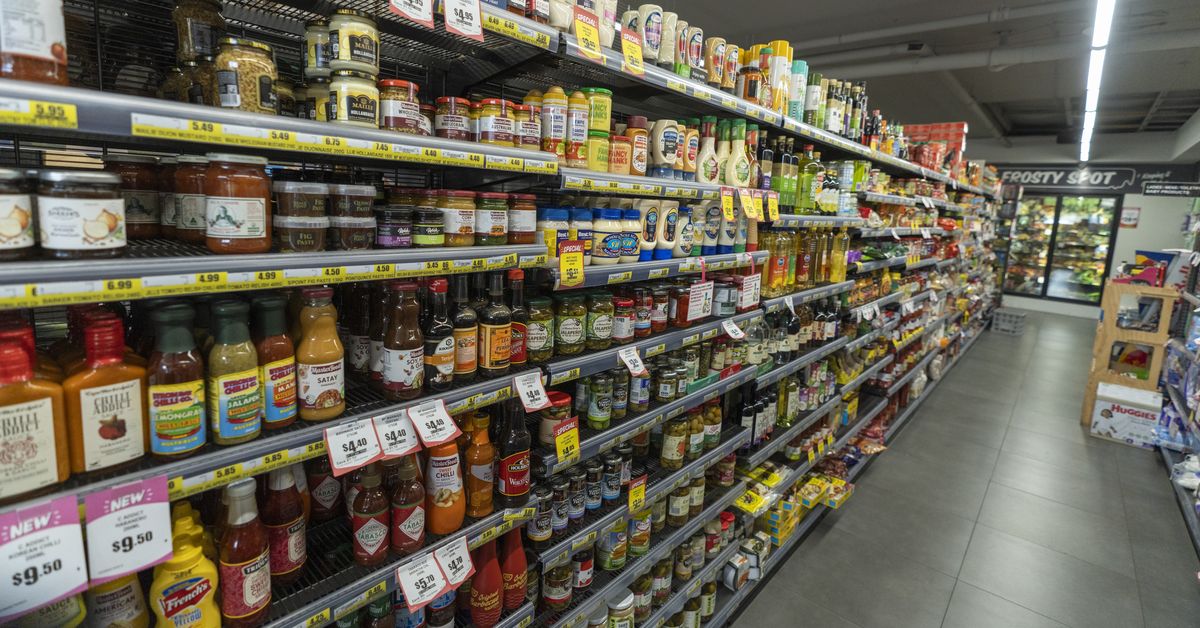
Lauren Antonenko faces the challenges of managing multiple autoimmune conditions, including ankylosing spondylitis, ulcerative colitis, and fibromyalgia. Her health necessitates a strictly regulated diet, heavily reliant on canned goods. As fuel prices rise, shoppers are adapting their purchasing habits, leading to a phenomenon known as “pantry loading.” This strategy involves purchasing non-perishable items on special to avoid future price hikes, rather than panic-buying or clearing shelves like during the pandemic.
For individuals like Antonenko, ensuring the availability of essential food items is crucial for their health and wellbeing. She focuses on “non-negotiable” goods that her body can tolerate, such as canned fish, vegetables, rice, and specific long-life broths. With the rise in fuel costs, Antonenko noted a shift in her shopping approach, emphasising a sensible strategy of stocking up on foods that she regularly uses and can safely consume.
Market trends reflect this change, with significant increases in the demand for basic items, such as canned goods, reported by suppliers. Households are increasingly prioritising essentials, leading some to bypass supermarkets altogether in favour of home gardening. This shift has prompted a notable increase in seed sales, particularly for everyday vegetables, as people seek to cut down on grocery bills. Australian resident Anna-Lize Pretorius shared her experience of saving up to $60 weekly by growing her own food, stating that homegrown produce offers unmatched flavour.
For those without gardens, bulk purchasing has also become a smart tactic to manage rising grocery costs. Dr Timothy Neal, an economics lecturer, explains that this behaviour aligns with consumer responses to economic uncertainty. As financial pressures mount—with more of household budgets dedicated to fuel and mortgage repayments—overall spending decreases, and demand for basic food items climbs.
To navigate the potential pitfalls of over-purchasing, Dr Neal recommends that families assess their immediate needs before buying, encouraging a mindful approach to shopping. Major supermarkets, including Woolworths and Aldi, maintain that supply remains stable, reassuring customers that there’s no need for excessive stockpiling.
In summary, the combination of rising costs and personal health needs has shifted shopping habits towards a more strategic approach, where consumers are more conscious than ever about their purchases, aiming to strike a balance between being prepared and avoiding unnecessary waste.