
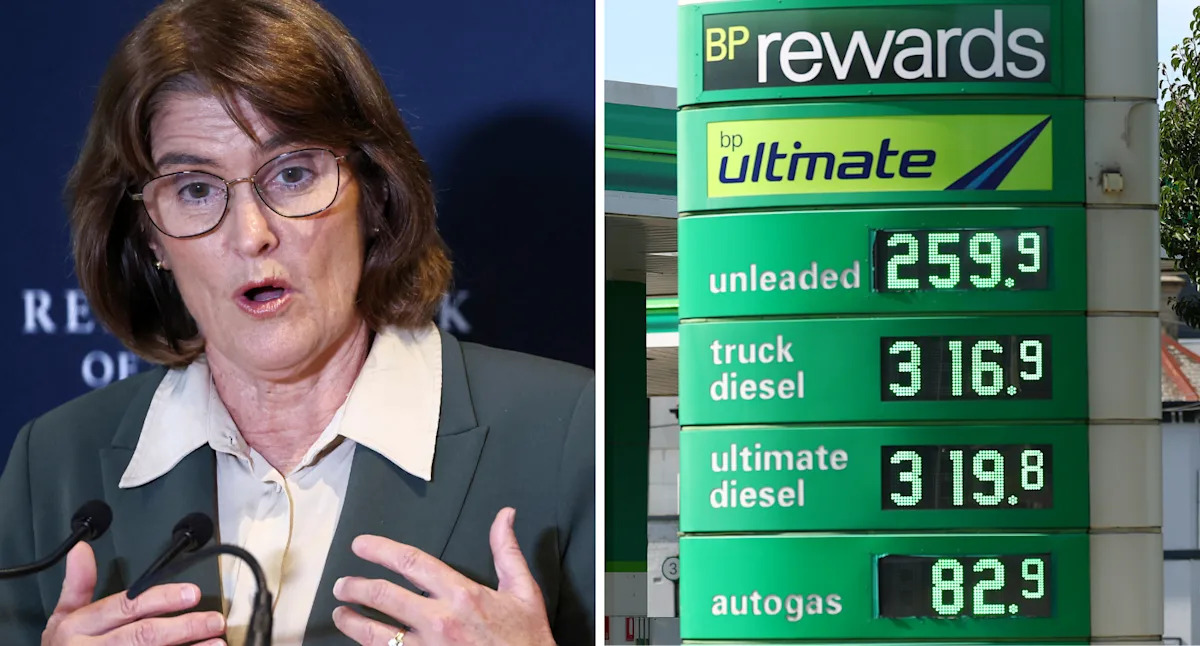
Amid rising inflation, the Reserve Bank of Australia (RBA) is closely monitoring consumer spending patterns, which have experienced a notable increase due to soaring fuel prices driven by geopolitical tensions in the Middle East. Recent data from NAB shows that consumer spending surged by 2.1% in March, primarily propelled by a staggering 33.5% rise in fuel expenditures. Even excluding fuel, spending still recorded a healthy 0.7% increase month-on-month.
NAB’s chief economist, Sally Auld, indicated that while consumer consumption remained robust towards the end of last year, there has been a slight downturn in 2026. The energy price hike presents a complex situation for the RBA, as it could exacerbate existing inflationary pressures while also dampening economic growth and potentially increasing unemployment rates.
Further data revealed spending on food rose by 1.7% in March, likely due to precautionary stockpiling among consumers. Despite a strong performance in discretionary goods, spending on discretionary services showed signs of decline.
Many analysts, including those from the major banks, anticipate a potential interest rate hike from the RBA in May. Auld suggested that this move would represent the “policy of least regret,” providing the RBA with the flexibility to rectify a decision if it turns out to be a misstep. On the other hand, delaying a rate hike might compel the RBA to react vigorously if inflation escalates further.
Auld noted that although inflation is currently high, the labour market is nearing full employment. However, business confidence has taken a downturn, dropping 29% according to NAB, mirroring significant declines not witnessed since the pandemic or the Global Financial Crisis. Additionally, Westpac’s consumer sentiment index plummeted by 12.5%, the steepest drop since COVID-19 struck Australia.
Concerns about prices extending beyond fuel are now a primary focus for the RBA. Auld highlighted the risk of secondary inflation effects being transmitted to final consumer prices due to manufacturers facing increased supplier costs.
With headline inflation at 3.7% in February, slightly down from January, the RBA’s path is uncertain. Auld remarked that while another rate hike may be necessary after May, the timing is contingent on variables such as oil prices and overall economic conditions. Ultimately, the RBA remains vigilant, weighing the ramifications of its actions on the economy and inflation trends as it navigates this challenging economic landscape.