
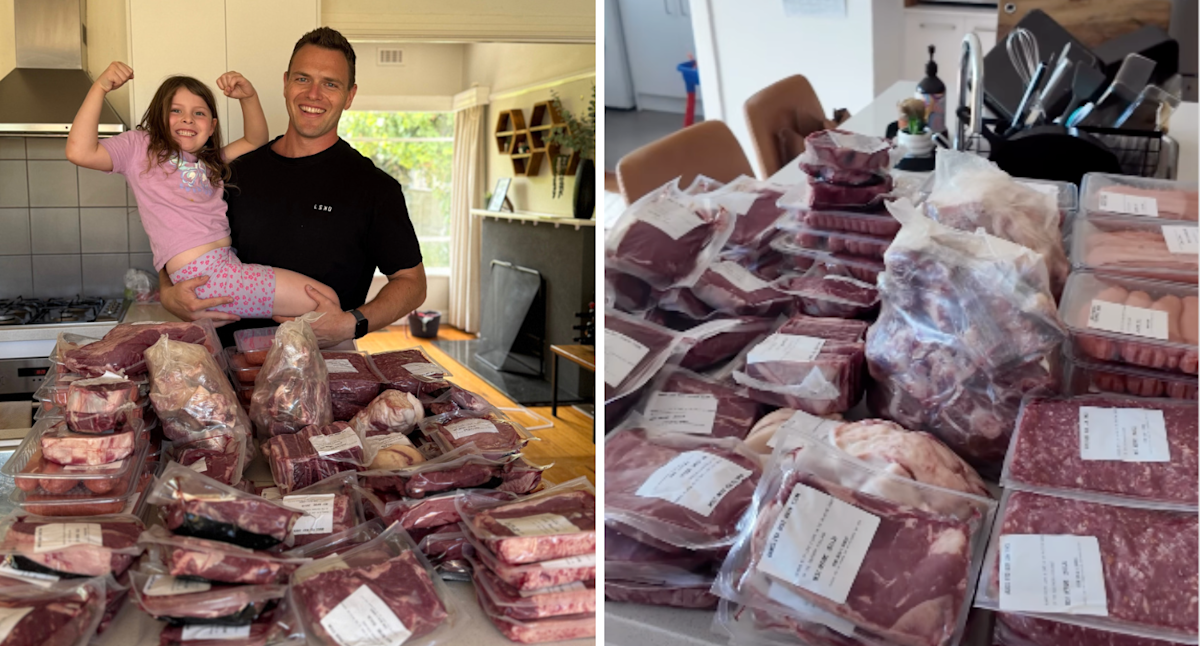
Two Australian friends, Ben Borg and Matt Hall, have discovered a cost-effective way to enjoy high-quality meat by purchasing in bulk directly from farmers. The Melbourne dads recently split half a cow, sourced from a local paddock-to-plate company, Farmstead Meats. This trend is gaining traction among consumers eager to bypass supermarkets and connect with producers.
Borg, a nutritionist and gym owner, had been contemplating the switch from supermarket meat to better-quality butcher products, which tend to be pricier. Hall, a tech professional with a country upbringing, had experience with bulk meat buying. When Borg proposed splitting a half cow, Hall enthusiastically agreed, highlighting the economic benefit and the importance of food quality for their growing families.
Farmstead Meats, co-founded by butcher Jeff Renfrew and farmer Andrew Johnson, has seen significant growth in demand as Australians express a desire to know the origins of their meat. Renfrew noted that the market has noticed a shift towards more people wishing to get quality products directly from the source, as traditional supermarket offerings sometimes lack the integrity due to mass production.
In terms of finances, the friends paid $1,699 for half a cow, equating to about 100 kilograms of meat. This compares favourably against the estimated $2,500 they would spend for similar quality cuts at major supermarkets, which translates to combined savings of approximately $800 for their households.
Borg has noted the immediate improvement in meat quality compared to supermarket fare, appreciating not only the taste but also the variety of cuts, including sausages, patties, and extras like bones. Hall, previously spending about $350 a week on groceries, has managed to reduce his grocery bill to between $280 and $300 since having bulk meat on hand.
Their experience encompasses more than just financial savings; it has fostered camaraderie and enjoyment in sharing meals together, including opportunities for barbecues and family gatherings. Borg and Hall plan to continue this arrangement, having already purchased another half cow after their initial supply ran out.
Overall, this initiative demonstrates how consumers can embrace a more sustainable approach to meat purchasing that supports local farmers while reaping the benefits of quality and cost savings.