
Australia’s food system faces significant strain as rising global tensions impact agricultural practices, prompting farmers to reduce planting and predict soaring supermarket prices. Central to this crisis is a supply chain that customers rarely consider but relies heavily on imported fertiliser and diesel—both transported through crucial shipping lanes like the Strait of Hormuz.
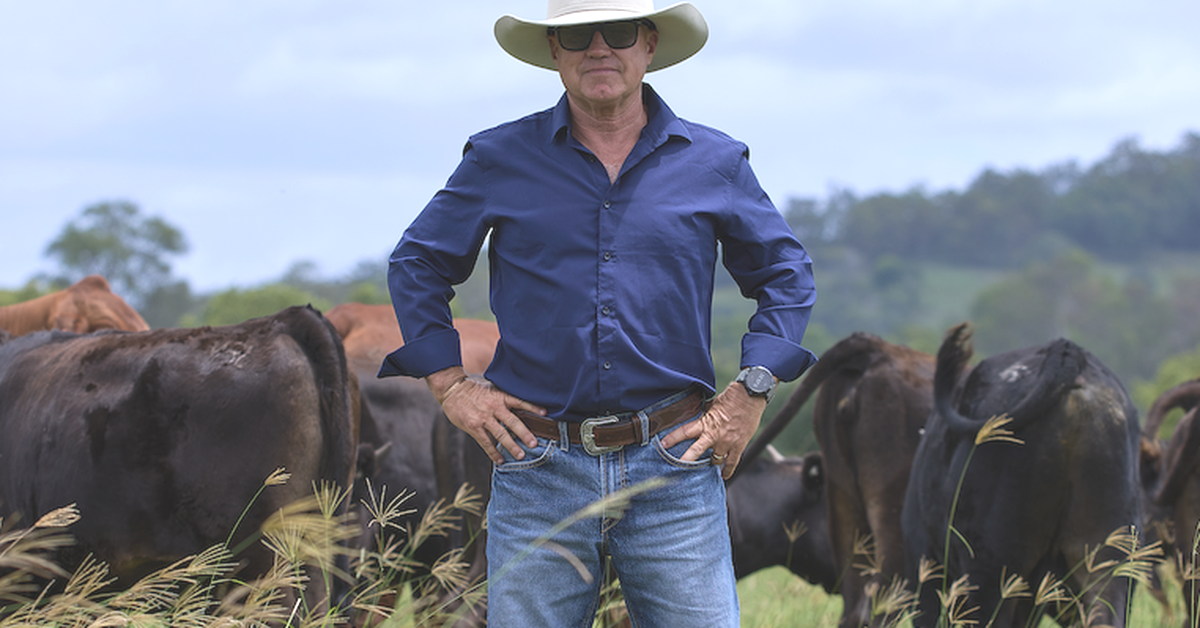
As disruptions occur in this corridor, costs rise and product availability declines, forcing farmers to reconsider future planting. Chef and farmer Matthew Evans highlights this situation as a stark reminder of Australia’s vulnerability in food production. He asserts that the current disruptions expose the fragility of Australia’s reliance on imported agricultural inputs, pushing prices up across the board.
Recent figures from AUSVEG reveal that over 25% of vegetable growers have already halted or reduced their planting efforts. This reduction is expected to affect the prices of essential goods such as bread and beer, extending beyond just fresh produce. Agricultural services expert Mark Peart notes that farmers are adjusting their operations, with many reducing fertiliser use, cutting stock, or postponing decisions due to unpredictable input costs.
The uncertainty in the market is compounded by the import dependence on key materials like urea for fertilisers and diesel. When shipping routes become troubled, fertiliser supply diminishes, while escalating fuel prices expand to every aspect of farming, leading to heightened costs.
The ramifications of this crisis extend beyond farms; the broader economy may feel persistent inflationary pressures. Moreover, with the Middle East being a vital market for Australian agricultural exports, ongoing instability could influence export income while simultaneously increasing domestic costs.
Evans calls for a national re-evaluation of food production practices to mitigate reliance on volatile imports. He draws parallels with China’s swift integration of electrified transportation, suggesting that Australia’s agricultural sector could benefit from similar innovations.
With the winter planting window approaching, farmers are already scaling back operations following recent disruptions caused by the pandemic and the conflict in Ukraine, both of which have driven up fertiliser prices.
Evans emphasizes the need for farmers to embrace practical changes to enhance soil health and diversify their crops, reducing dependence on costly inputs. Australia currently has the capacity to produce enough food to sustain three times its population. However, to maintain this advantage, adaptation to fluctuating global markets is crucial.
In conclusion, harnessing local resources and knowledge may lessen Australia’s exposure to international shocks, enabling a more resilient food system amidst ongoing global challenges.