
Australia’s food supply chain is increasingly strained due to global tensions, prompting farmers to cut back on planting and signal impending increases in supermarket prices. As the country grapples with reliance on imported fertiliser and diesel—key components of modern agriculture—instability in international shipping routes, particularly through the Strait of Hormuz, raises concerns about the future of food production.
Chef and farmer Matthew Evans highlights the current situation as a crucial alert about the vulnerabilities within Australia’s food system, stating, “Our entire food system relies on imported fertiliser and diesel.” Disruptions in these imports directly impact costs, which ultimately trickle down to supermarket prices. Recent figures from AUSVEG indicate that over a quarter of vegetable growers have already scaled back or ceased planting activities altogether.
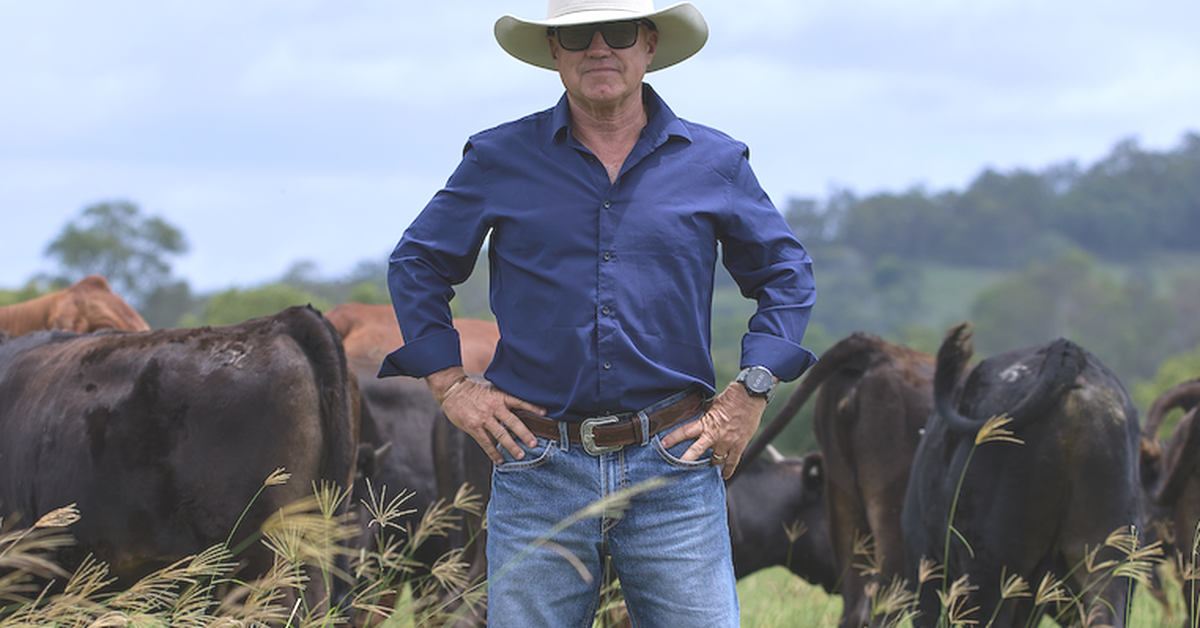
This contraction in agricultural output is expected to have ramifications beyond the farm, affecting prices for basic staples such as bread, pasta, and beer. As Toowoomba grazier Mark Peart notes, farmers are adjusting their operations, grappling with the uncertainty of costs and supply timelines. Many are reconsidering their resource usage and seeking efficiencies, but the fundamental issue remains: a high dependency on imported inputs.
Chandana Maitra, a senior economics lecturer at the University of Sydney, underscores how deeply entrenched the reliance on overseas fertiliser and diesel is, emphasising the broader economic implications if these disruptions persist, which could hinder interest rate cuts and maintain inflation at elevated levels.
Amid these challenges, Evans encourages a re-evaluation of food production methods. He advocates for more sustainable and resilient agricultural practices, suggesting that small adjustments—such as improving soil health and diversifying crop types—can mitigate costs and reduce dependency on volatile market inputs. Australia is well-positioned, with sufficient food production capacity to feed three times its population, but it will need to adapt to changing market conditions to maintain this advantage.
As we approach the winter planting season, many farmers remain cautious after enduring multiple shocks, including the effects of COVID-19 and the war in Ukraine. The enhancements proposed by Evans could represent a turning point, fostering a more sustainable approach to farming that safeguards against future disruptions.
The enduring question remains: how many lessons must be learnt before a significant shift in agricultural practices occurs? The potential is there for a systemic change that makes Australia’s food supply more resilient against global upheavals, thereby securing its position as a key player in global food production.