
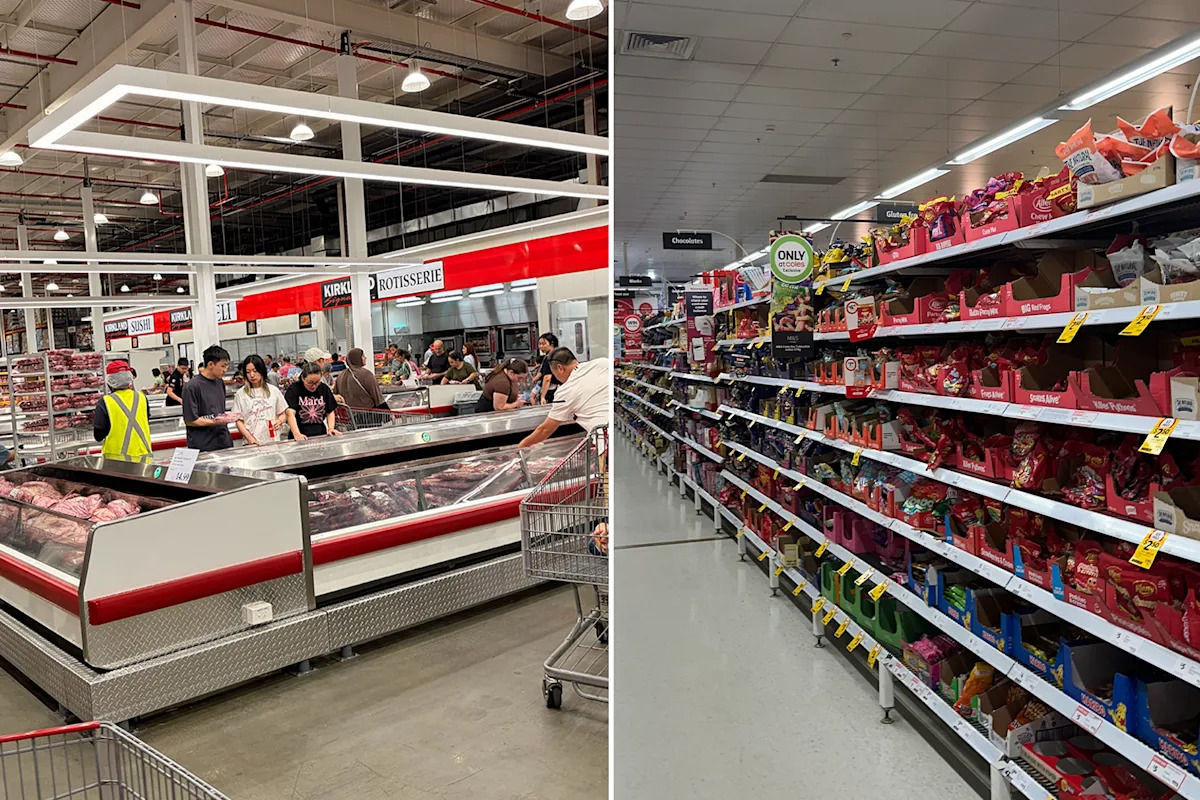
Australians may face another surge in grocery prices as rising fuel costs influence supply chains, according to agricultural economist Associate Professor David Ubilava from the University of Sydney. He emphasised that fuel and energy are critical to transporting food from producers to supermarkets, and as these costs increase, they ultimately affect retail prices.
Agriculture Minister Julie Collins acknowledged farmers’ concerns that prices may rise by up to 20% due to geopolitical tensions, though she tempered expectations by citing the unpredictable nature of such conflicts. The NSW Farmers association warned that prices could spike significantly by Anzac Day, with producers and retailers indicating their inability to absorb increased transport costs.
While there are concerns about limited product availability, Ubilava believes fears of widespread empty shelves are somewhat exaggerated for the time being. He pointed out that most Australians will likely notice increased costs at the checkout rather than immediate shortages in stores. Nevertheless, as transport companies start to incorporate these rising costs, pressures on logistics and the food supply chain could escalate.
Ben Fahimnia, a logistics expert, added that Australia currently faces early signs of stress within its supply chains, with potential logistical disruptions that could affect food distribution. Farmers might struggle to timely transport goods, particularly in rural areas where high transport costs could lead to shortages or inconsistent supply.
The impact of fuel and energy prices is not felt uniformly across the supply chain. Some aspects, particularly distribution-related issues, manifest nearly instantly, while production disruptions may take longer to appear. Ubilava noted that even when fuel prices stabilise, food prices might continue to rise due to previous cost pressures permeating the system.
True shortages would necessitate more severe conditions than those presently encountered, according to Ubilava. He highlighted that current elevated fuel prices remain manageable, partly due to reduced excise taxes, but indicated that prolonged high prices could start to significantly affect margins for producers and retailers.
Such a scenario could lead to a cycle where higher food prices encourage continued supply, thereby preventing major shortages. While urban areas are less likely to see significant shortages due to more efficient supply chains, Australians may find themselves grappling with higher grocery bills.
In essence, if fuel costs persist at their current high levels, the primary concern will not be the availability of products but rather the escalating cost of filling grocery trolleys.