
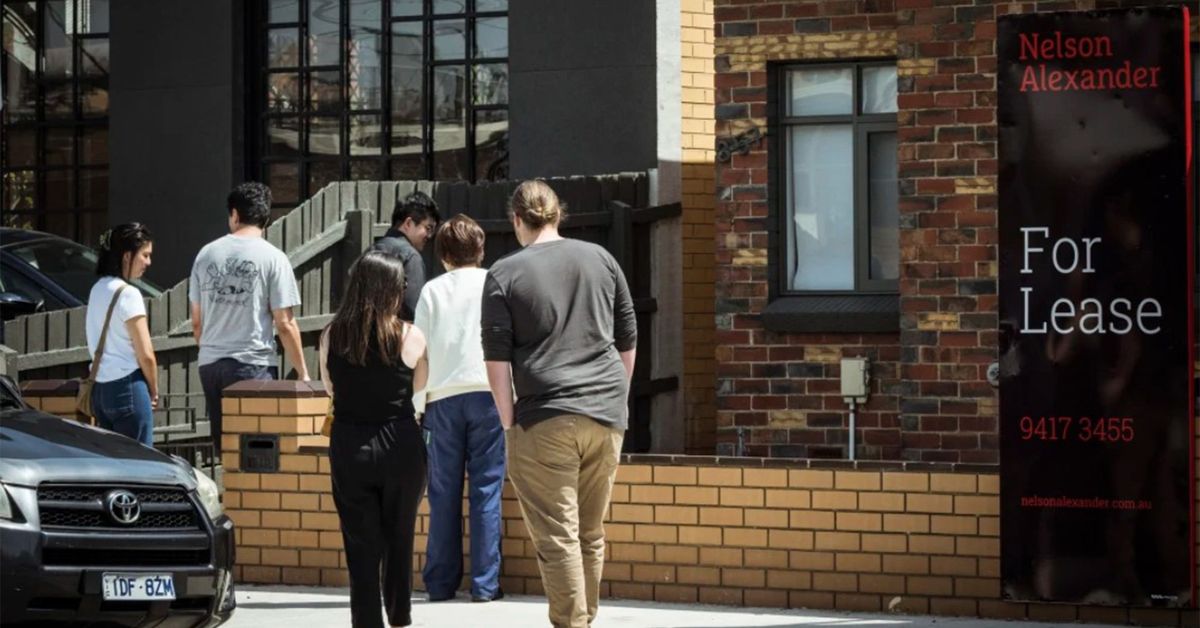
Recent research by property data company Cotality reveals that Australian renters are facing unprecedented financial strain as rental costs surge to new heights. Recent analysis indicates that rents climbed by 2.1 per cent over the three months leading up to March, sharply up from a previous increase of just 1.2 per cent. This trend highlights a significant rise from last year’s cyclical low, where rental growth was recorded at only 0.9 per cent.
The escalation in rental prices is largely attributed to a persistent shortage of available rental properties. Currently, households are allocating a staggering 33 per cent of their median income toward rent, up from 26 per cent just a few years earlier in September 2020. Gerard Burg, head of research at Cotality, points out that the cumulative rental growth over the past five years translates to an additional $202 weekly burden for typical renter households.
While rental growth had shown signs of moderation throughout 2024 and early 2025, a significant imbalance between supply and demand continues to exert pressure on the housing market. Nationally, vacancy rates have plunged to a mere 1.6 per cent, considerably lower than the recent five-year average of 3.2 per cent. In major cities like Sydney and Melbourne, the availability of rental listings is reported to be 27 per cent and 21 per cent below long-term averages, respectively.
Burg highlights that when vacancy rates are as low as 1.5 per cent, renters find themselves with limited options and significantly reduced negotiating power, often leading them to consider alternative housing solutions such as shared accommodation or relocating to different areas, possibly even returning to live with family members.
Furthermore, the number of rental properties on the market has decreased by 18 per cent compared to the five-year average, reinforcing the challenge for renters. This situation, marked by soaring rental prices and dwindling property availability, continues to affect Australian households, making housing affordability a critical issue in the current economic climate.
As the situation unfolds, renters are left navigating an increasingly tight market with few viable options, amplifying the need for solutions to address the ongoing housing crisis.