
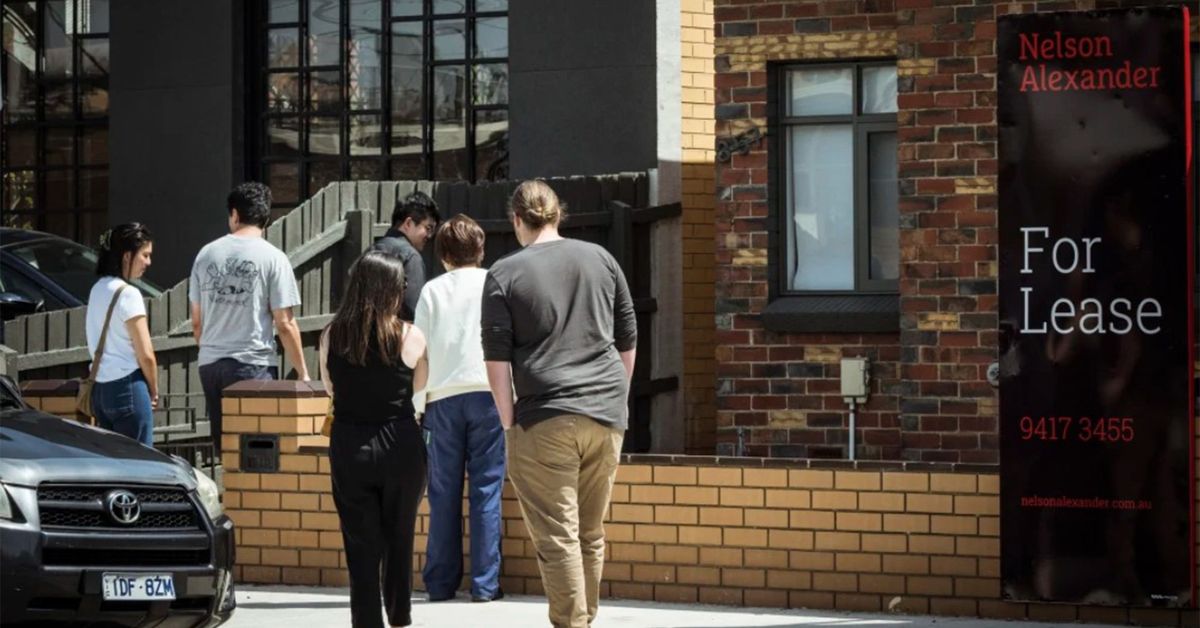
Australian renters are experiencing unprecedented financial strain, with recent research revealing that households are now allocating an astounding 33% of their median income to cover rent—up from 26% in September 2020. This increase is primarily attributed to a significant rise in rental costs. According to property research firm Cotality, rents rose by 2.1% over the three months leading to March, marking a notable uptick from a previous 1.2% increase. This is a stark contrast to the low of 0.9% recorded mid-last year.
The surge in rental prices is exacerbated by a severe shortage of available rental properties, with listings across Australia currently 18% below the five-year average. Cities like Sydney and Melbourne are facing the most acute shortages, with available rental stock down 27% and 21% respectively compared to long-term levels. During the March quarter, every capital city reported vacancy rates below 2%, with the national rate sitting at a mere 1.6%. This is significantly lower than the 3.2% average observed from March 2016 to 2021.
Gerard Burg, head of research at Cotality, pointed out that while rental growth had been tempered for a period, the persistent lack of supply in the market is now placing immense pressure on renters. Many households are feeling the financial impact of an estimated additional $202 per week in rental commitments over the last five years. When vacancy rates fall beneath 1.5%, renters face less negotiating power, leading them to consider alternatives such as shared accommodation, relocating, or moving back in with family.
The ongoing trend of rising rents, driven by increasing demand and limited supply, is placing many Australians in precarious financial situations and forcing them to rethink their housing options. Until the rental market can better align supply with demand, these costs are expected to remain high, continuing to challenge the budgets of renters across the nation.