
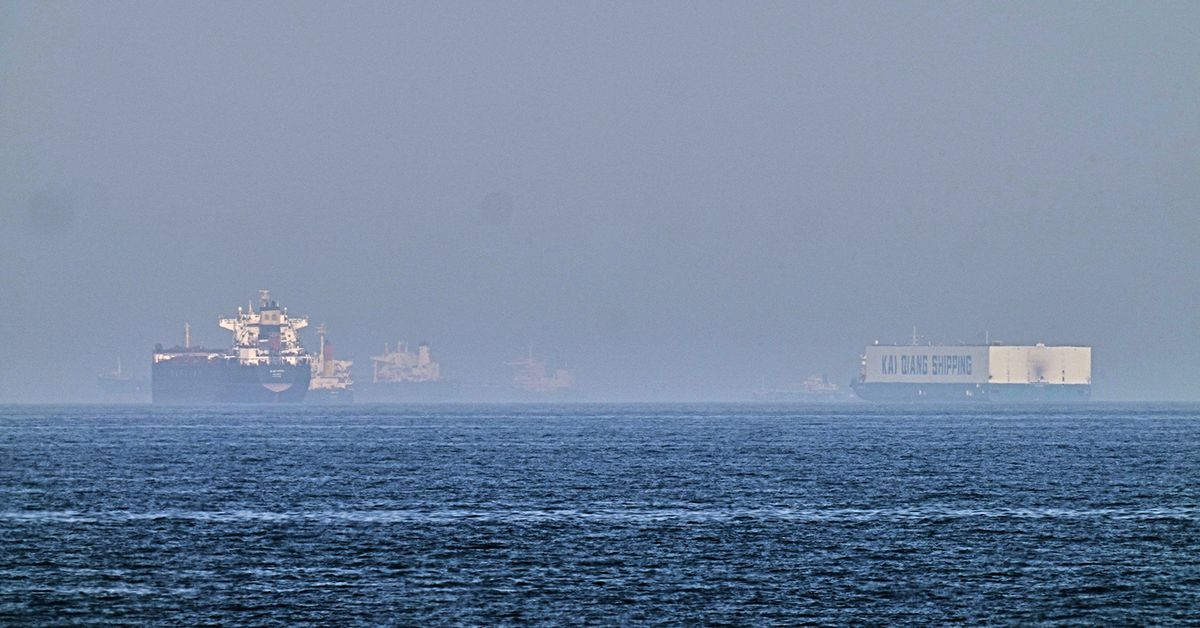
The United States has issued a warning to shipping companies regarding potential sanctions if they make payments to Iran in exchange for safe passage through the strategically important Strait of Hormuz. This alert from the US Office of Foreign Assets Control intensifies the pressure amid ongoing tensions between the US and Iran over control of this vital shipping route, through which a significant portion of the world’s oil and natural gas trade flows.
The Strait of Hormuz is crucial for global energy supplies, and Iran has effectively obstructed normal maritime traffic by threatening vessels and conducting attacks, particularly following escalating conflicts that began on February 28. In response, Iran has established a system demanding payments for safe transit, sometimes referred to as a “tollbooth” model, exploring various forms of payment including cash, digital assets, and even charitable contributions.
The US government warns that regardless of payment methods—be they cash, informal swaps, or payments through Iranian embassies—those engaging with Iran for maritime security could face severe sanctions. In retaliation to Iran’s actions, the US imposed its naval blockade, halting any Iranian tankers from departing and hampering the nation’s oil revenue, which is critical for its struggling economy. Since the enforcement of this blockade on April 13, at least 45 commercial vessels have been ordered to turn back.
Complicating matters further, US President Donald Trump recently dismissed Iran’s proposal to end the conflict, expressing dissatisfaction and frustration with Iranian leadership, which he described as “disjointed.” He believes that despite the Iranian desire for negotiation, their internal disarray continues to hinder meaningful dialogue.
Iran has been attempting to mediate through engagements with Gulf states and the European Union, announcing a plan shared with intermediaries in Pakistan. Meanwhile, entangled in complex negotiations, the US has floated potential plans to facilitate reopening the Strait for its allies to resume oil and gas exports.
Heightening the geopolitical stakes, Iran executed two men convicted of espionage for Israel, further complicating tensions in the region. Concurrently, the Chinese UN envoy has urged both parties to maintain the ceasefire and resume negotiations to alleviate the unfolding crisis, attributing the root cause of regional suffering to the US and Israeli military interventions.
As the situation persists, both sides appear locked in a cycle of hostilities and diplomatic posturing, leading to increased pressure on the global economy amid rising fuel prices and supply shortages in oil-related businesses.