
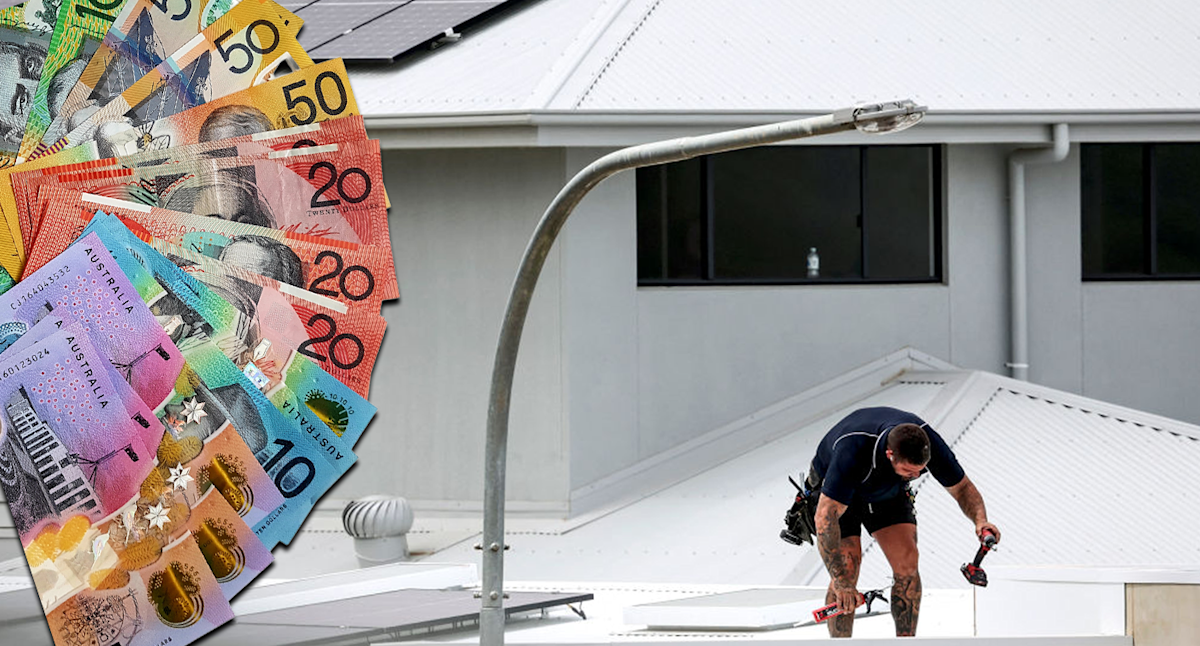
Starting May 1, Australians installing home batteries will face reduced rebates under the federal government’s popular scheme, due to an unexpected surge in demand for larger systems. This change aims to make rebates more sustainable by facilitating broader access to the incentive while steering consumers towards systems that better align with their actual energy needs, rather than simply opting for larger batteries to maximise rebates.
The adjustments mark a shift to a tiered rebate model, which will lessen benefits for mid-range and larger battery systems. Experts estimate that the revised rebate could result in homeowners losing thousands in potential savings, as the government will now reduce the rebate amount more frequently—every six months, as opposed to annually.
Originally, the scheme aimed to reduce the upfront cost of home batteries by about 30%, saving the average buyer roughly $4,000. The CEO of Think Renewable supports this change, arguing that battery size should be appropriately tailored to household energy use to deliver long-term value.
Meanwhile, the ongoing increase in energy prices and geopolitical uncertainties may keep interest in battery installations strong. Notably, Australia’s power networks have proved remarkably resilient amid global energy challenges, bolstered by an expanding battery fleet that utilises ample solar energy and reduces dependence on more expensive gas and hydro sources. This shift has led to lower wholesale electricity prices, indicating that battery technologies are becoming integral in managing supply during peak demand periods.
However, proposed reforms by the Australian Energy Market Commission for higher fixed electricity network access charges threaten to complicate the landscape further. Critics warn these changes could raise costs for households with home batteries, potentially discouraging future installations.
Experts emphasise the importance of careful reform design to avoid undermining consumer confidence. They argue that pricing should incentivise behaviours that support the grid rather than hinder participation in renewable energy initiatives.
As Australia shifts towards a more renewable energy-driven future, addressing these challenges will be essential for sustaining momentum in home battery adoption and supporting the overall energy transition.