
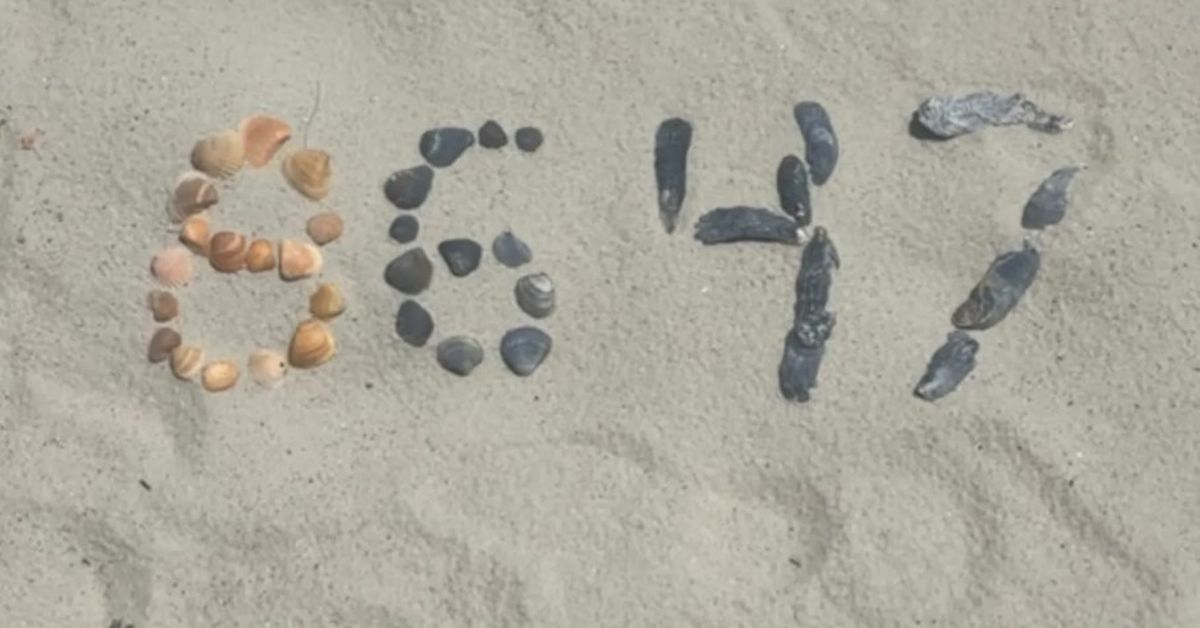
In a recent controversy involving former FBI director James Comey, a seemingly innocuous Instagram post has sparked serious legal implications. The post, featuring seashells arranged to spell “86 47,” has led the Department of Justice to interpret it as a death threat against Donald Trump, who is often referred to as the 47th president of the United States.
The term “86,” traditionally used in hospitality slang meaning to remove or discard something, has taken on a more sinister connotation here, as it is also considered a mob term for “kill.” This has raised concerns that the case sets a dangerous legal precedent, potentially leading to criminal consequences for some of Trump’s supporters, as stated by political commentator Tillis, who expressed worry about the low threshold being established for interpreting such expressions.
In response to accusations, Comey clarified that he had not arranged the shells himself; he merely photographed them as he found them. He removed the post shortly after realising its association with violence, stating, “I oppose violence of any kind.” Trump, however, dismissed Comey’s claims of ignorance concerning the meaning of the numbers, referencing his own history of making controversial statements.
The situation escalated when pro-Trump influencer Jack Posobiec publicly supported the DOJ’s actions, despite previously using the phrase “86 46” in reference to Joe Biden without similar backlash. This raises questions about the inconsistency in responses to the use of such language among different political figures.
This unfolding issue illustrates the heightened scrutiny surrounding public discourse regarding political figures and the potential implications for free speech in the current climate. Comey’s case serves as a reminder of the social and legal ramifications that can emerge from seemingly innocent communications in today’s politically charged environment.