
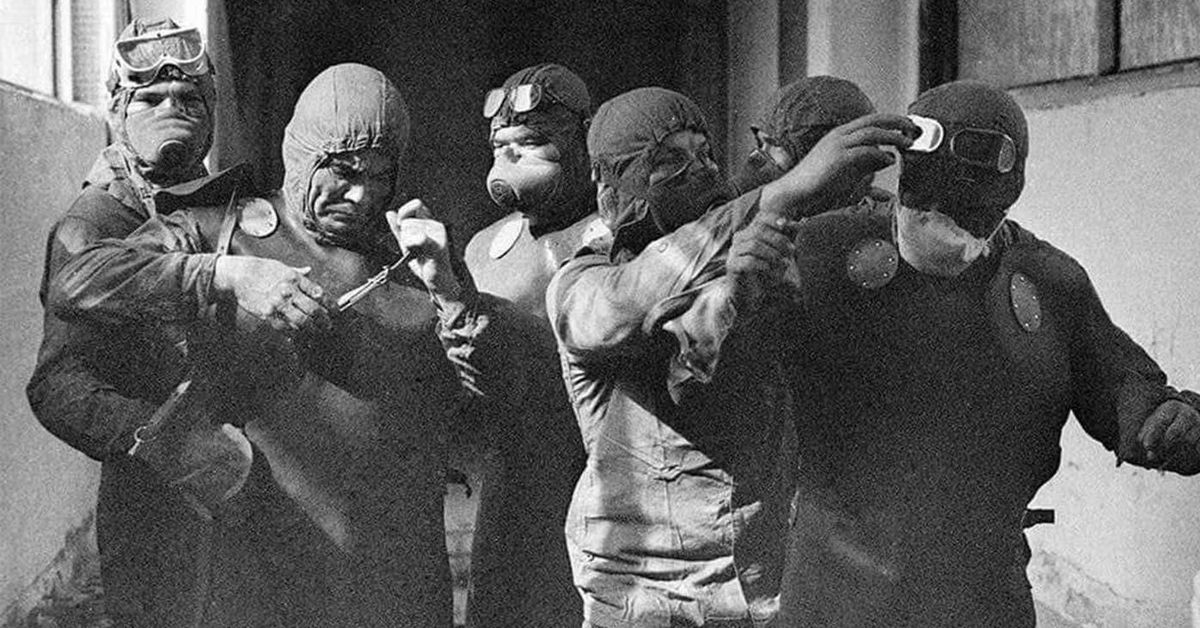
In the aftermath of the catastrophic explosion at the Chernobyl Nuclear Power Plant in 1986, radioactive smoke and steam infiltrated the atmosphere, spreading deadly radiation throughout Europe, particularly affecting Belarus. The long-term consequences of this disaster have been dire, with thousands of fatalities linked to cancer resulting from the uncontrolled radiation leak.
Despite the severity of the incident, the Soviet Union delayed public acknowledgment of the meltdown, only issuing a brief statement via state media on April 28, stating that an accident had occurred and that steps were being taken to manage the situation. This announcement came only after radiation detectors in Sweden, over a thousand kilometres away, began to trigger alarm bells, highlighting the lack of transparency surrounding the crisis.
In the face of imminent disaster, three individuals—Alexei Ananenko, Valeri Bezpalov, and Boris Baranov—undertook a brave mission on May 4 to drain the reactor’s flooded basement, navigating through knee-deep radioactive water. Aware that their actions could lead to their own demise, they pressed on, ultimately preventing an even more catastrophic meltdown. Initial reports suggested that these heroes had succumbed shortly after their mission; however, Baranov lived until 2005, and the others are still alive today.
The Chernobyl disaster led to the establishment of a 2,600-square-kilometre exclusion zone, a stark reminder of the area’s lingering danger. Entry into this zone remains restricted due to dangerous radiation levels that can be lethal. Time has allowed nature to reclaim much of the landscape surrounding the power plant, yet the echoes of the tragedy continue to resonate, serving as a significant lesson in nuclear safety and disaster management.
The Chernobyl incident remains a poignant example of the catastrophic potential linked to nuclear energy, revealing the impact of inadequate communication and the profound human cost of environmental disasters.