
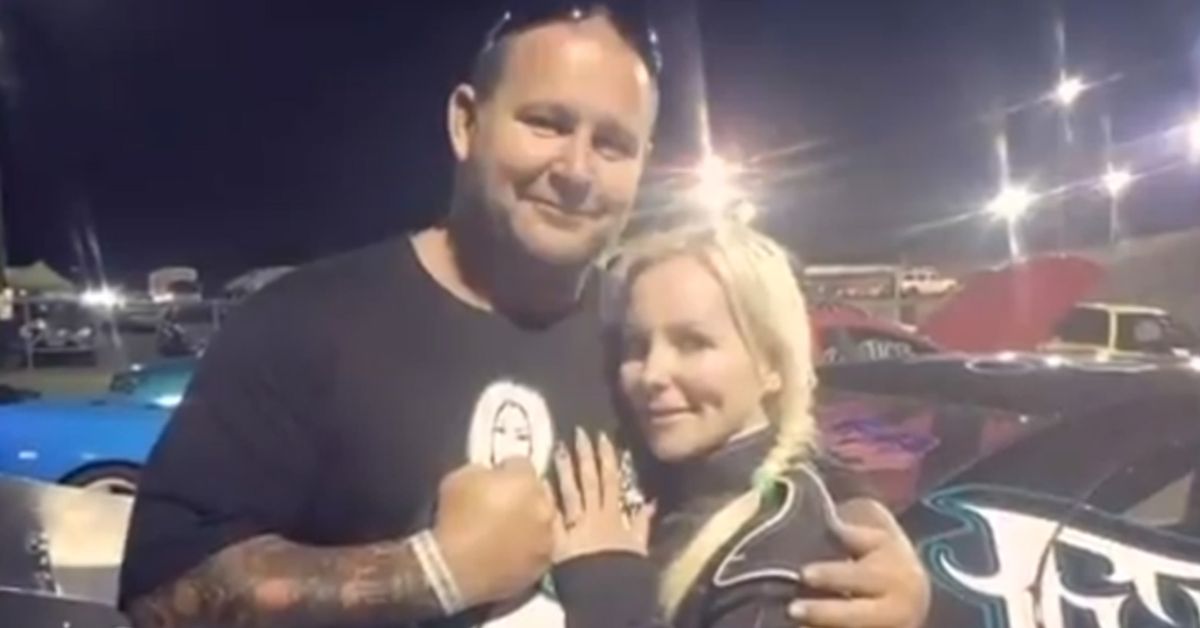
Benjamin Luke Johnston, a convicted sniper, has been identified following the lifting of a court-imposed suppression order. Johnston was found guilty of shooting Nick Martin, a leader of the Rebels motorcycle club, during a drag racing event at the Perth Motorplex in December 2020. At the time, Martin was seated among his family and associates when Johnston executed the long-range attack.
Previously, Johnston’s name was kept secret for his protection as he agreed to cooperate with authorities against David James Pye, a Comancheros bikie who has also been convicted in connection with Martin’s murder. Johnston, 43, petitioned the Supreme Court to have the suppression lifted, citing challenges in receiving mail and scheduling prison visits. Justice Joseph McGrath granted this request, noting that Johnston felt safe in protective custody.
Johnston, a former army reservist and artillery gunner, conducted extensive reconnaissance for the shooting, including using a drone to survey Martin’s residence and altering the racetrack layout to ensure a clear shot. On the night of the incident, he wore camouflage clothing, infiltrated the event by crawling through a fence, and spent approximately 10 to 15 minutes adjusting his aim before firing a single shot from a .308-calibre rifle. The bullet struck Martin in the chest, causing him to exclaim, “I’ve been shot,” before he succumbed to his injuries in hospital. The shot also injured his son-in-law, who survived.
Despite the gravity of the crime, Johnston was awarded a significant sentencing discount for his cooperation with law enforcement, making him eligible for parole after serving 18 years of his 20-year sentence, rather than facing life imprisonment. He met Pye through social media while working with a medical charity in Iraq and claims he was targeted by Pye, who allegedly offered him $150,000 for the hit.
Notably, Johnston’s trial revealed he had been under police surveillance before his arrest. Pye’s sentencing is forthcoming, with his legal team contesting Johnston’s application to lift the suppression order on the grounds that it could affect their client’s potential appeal.
In summary, Johnston’s case exposes the depths of criminal undertakings within gang rivalries and raises questions about violence and public safety at large community events.