
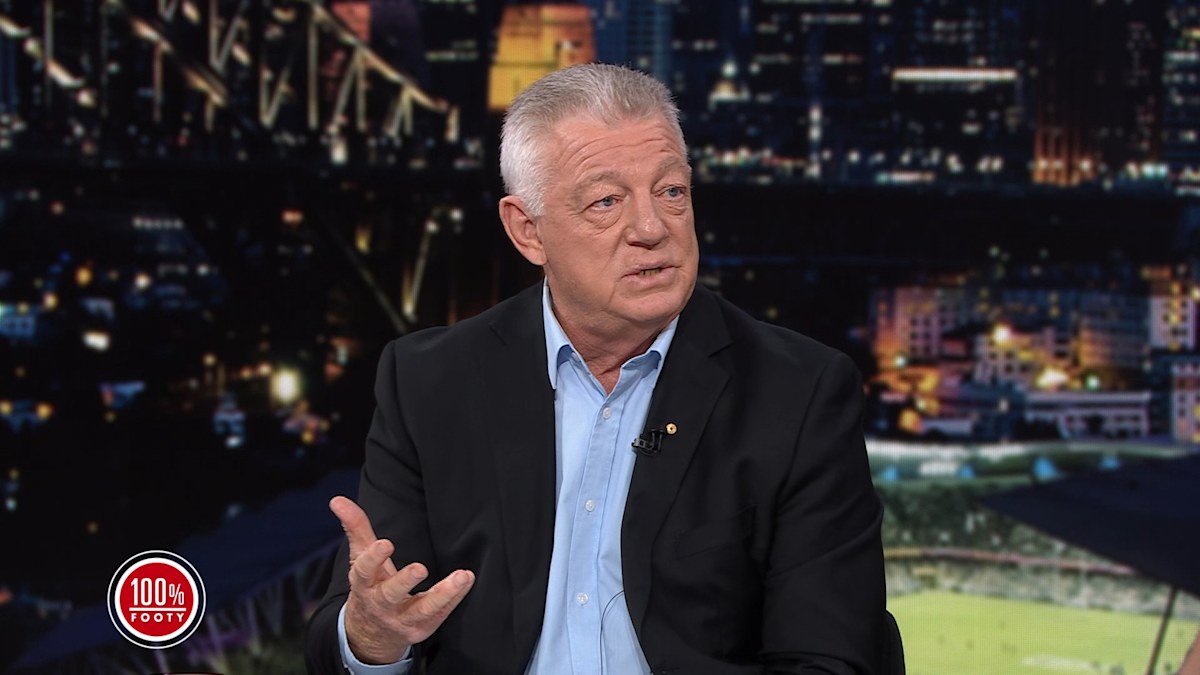
Phil Gould has voiced significant concerns about the NRL’s management of game officiating, suggesting that the administration has lost oversight, allowing certain teams to exploit penalties and the six-again rule, as well as manipulate the HIA (Head Injury Assessment) protocols. This season, the disruptive nature of the six-again rule and head-high tackles has sparked considerable debate, with many expressing frustration regarding the officiating standards.
Following the previous round, the NRL admitted that the Bunker—responsible for reviewing crucial decisions—made incorrect calls on two significant disruptor rule instances. Since the onset of the season, there has been ongoing confusion surrounding ruck infringement penalties and the unclear communication from officials about six-again calls.
On Nine’s program 100% Footy, Gould, who oversees the football department for the Canterbury Bulldogs, articulated that referees operate under the belief they are performing adequately because there is a lack of accountability or education about the game’s objectives. He noted that referees, not being former players themselves, face inherent challenges, leading to a scenario where they are granted excessive authority over game regulations. Gould advocated for minimizing the influence of both referees and coaches in the rule-setting process to address the existing issues effectively.
He critiqued the current disruptor rule, referring to it disparagingly as the "dementor rule," and indicated that the regulations have spiralled out of control. Gould highlighted tactics employed by teams that take advantage of safety regulations, revealing his disapproval of how this undermines the game’s integrity. He pointed out the excessive number of six-again calls as detrimental to the overall flow of the match and expressed alarm at teams engaging in deceptive practices regarding high tackles and faking head injuries to gain strategic advantages.
According to Gould, the game is stuck in a challenging predicament, aware of these dishonest tactics but unable to enforce effective control, which he believes requires strong leadership that is currently lacking. His remarks underline a pressing need for a reevaluation of officiating standards and a more robust approach to maintaining the integrity of the competition.