
Tensions between the United States and Iran escalated significantly on Tuesday, as the US initiated a blockade of Iran’s ports amidst growing threats from Tehran to retaliate against regional targets. In an effort to mediate, Pakistan has stepped forward, hoping to facilitate further discussions between the conflicting nations. Despite a tenuous ceasefire from the prior week, there are fears the ongoing conflict over the Strait of Hormuz could reignite hostilities, exacerbating the economic consequences of the regional war.
In Washington, meanwhile, landmark talks were set to commence between Israel and Lebanon—the first in years—indicating a potential shift in diplomatic efforts in the region. These discussions follow unsuccessful negotiations aimed at reaching a peace agreement between the US, Israel, and Iran after attacks initiated on February 28.
The new talks, potentially scheduled for Thursday, may take place in either Islamabad or Geneva, with involved US officials confirming ongoing deliberations on how to proceed. The conflict, which has now reached its seventh week, has caused severe casualties and economic disruptions, impacting global markets and halting trade routes.
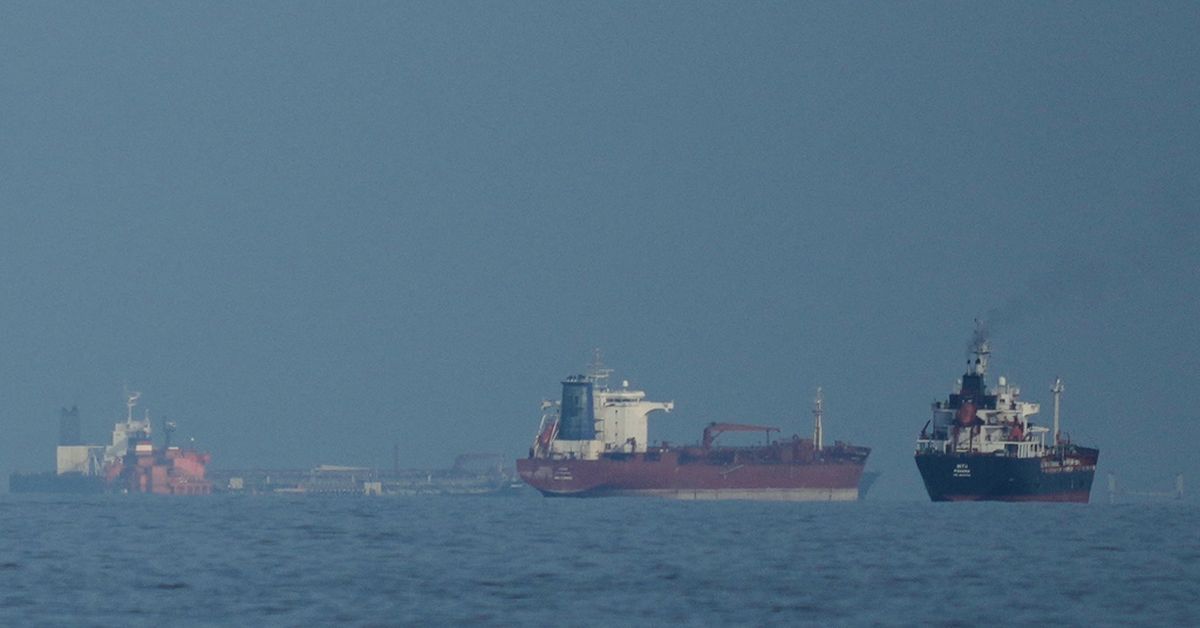
Under the blockade, the US aims to apply pressure on Iran, which has continued to export oil to Asia despite international sanctions. The effectiveness of the blockade remains uncertain, as tankers initially rerouted upon its implementation. A key vessel, the Rich Starry, reportedly linked to Iranian shipping interests, was seen navigating through the Strait shortly after the blockade was enforced.
The US military and political leaders, including President Donald Trump, have condemned Iran’s military posture in the Strait, equating it to piracy. In retaliation, Iranian officials have threatened to target Gulf ports should the blockade continue.
In the midst of this turmoil, French President Emmanuel Macron and British Prime Minister Keir Starmer announced plans for a conference aimed at orchestrating a naval escort for oil tankers through the strategic Strait of Hormuz, conditional on improved security assessments.
On the diplomatic front, the forthcoming negotiations between Israel and Lebanon are expected to focus on foundational parameters rather than resolving longstanding disputes. The situation in Lebanon remains precarious, with Israeli airstrikes and the ongoing threat posed by Hezbollah contributing to widespread devastation.
In summary, while diplomatic efforts are underway to mitigate the rising hostilities between Iran and the US, particularly with Pakistan’s involvement, the potential for renewed conflict looms large, alongside ongoing discussions linked to regional stability between Israel and Lebanon.