
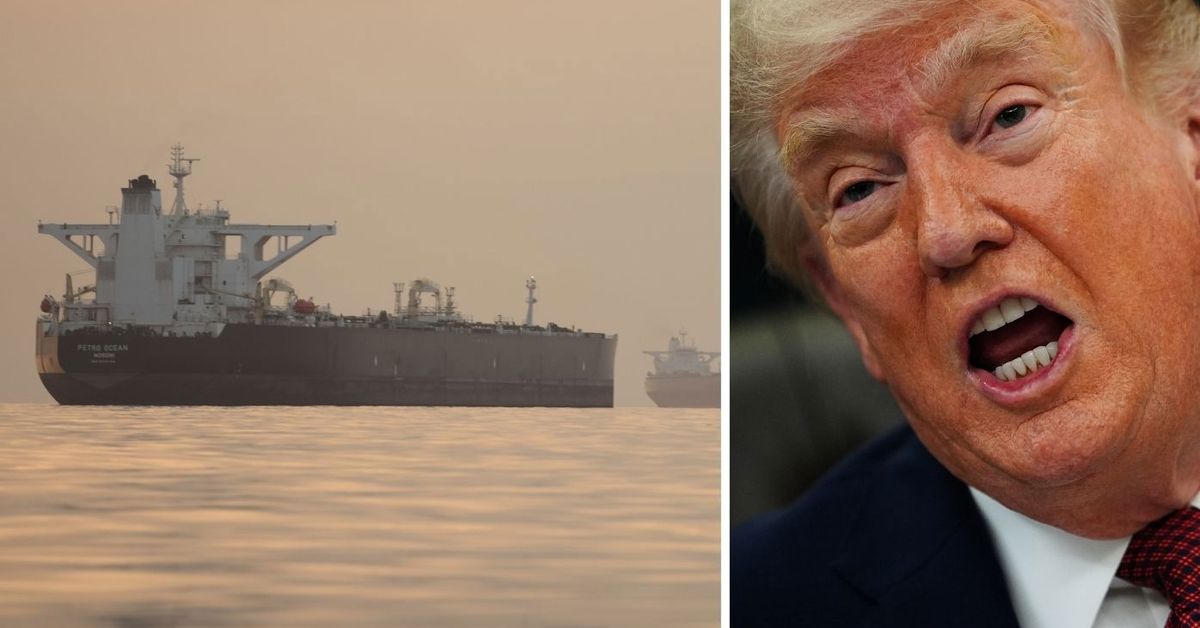
The United States has successfully captured an Iranian oil tanker by creating a significant hole in its engine room, effectively immobilising the vessel. This operation is a part of broader tensions between the US and Iran, particularly concerning the shipping of oil from Iran, which has been subject to stringent sanctions aimed at curtailing the Iranian economy.
The tanker, previously en route to evade detection, was intercepted by US forces in an operation that underscored the escalating maritime confrontations in the region. The dramatic manoeuvre to puncture the vessel’s engine is emblematic of the US’s aggressive stance in enforcing sanctions and monitoring illicit oil shipments believed to be linked to funding militant groups.
In the wake of this incident, US officials have reinforced their commitment to thwart attempts to circumvent sanctions designed to restrict Iran’s ability to export oil. The US maintains that these measures are crucial in preventing the Iranian government from generating revenue that could support its controversial activities in the Middle East.
This tanker seizure adds to a series of previous incidents involving Iranian vessels, reflecting ongoing strategies employed by both nations to assert their influence over maritime routes. Iranian officials have decried the actions taken by the US as piracy and a violation of international law, vowing to respond to what they consider provocative actions against Iranian interests.
The context of this operation speaks to the heightened military and economic hostilities that define US-Iran relations, especially since the US withdrew from the nuclear agreement in 2018. This move reinstated sanctions that have severely impacted Iran’s economy, leading to an increase in tensions as both sides continue to navigate their confrontational strategies.
International observers are watching closely as this situation unfolds, aware that such seizures could potentially escalate conflicts in an already volatile region, risking broader military engagement. The underlying geopolitical implications of such actions also extend beyond the immediate tug of war between the US and Iran, impacting global oil markets and regional alliances.
As this saga continues, it’s clear that the US will not relent in its efforts to disrupt Iran’s oil trade, prompting reactions that could lead to a further spiral of military or economic retaliation from Tehran. The ramifications of these confrontations will undoubtedly influence the future of maritime security and diplomatic relations in the Gulf region.