
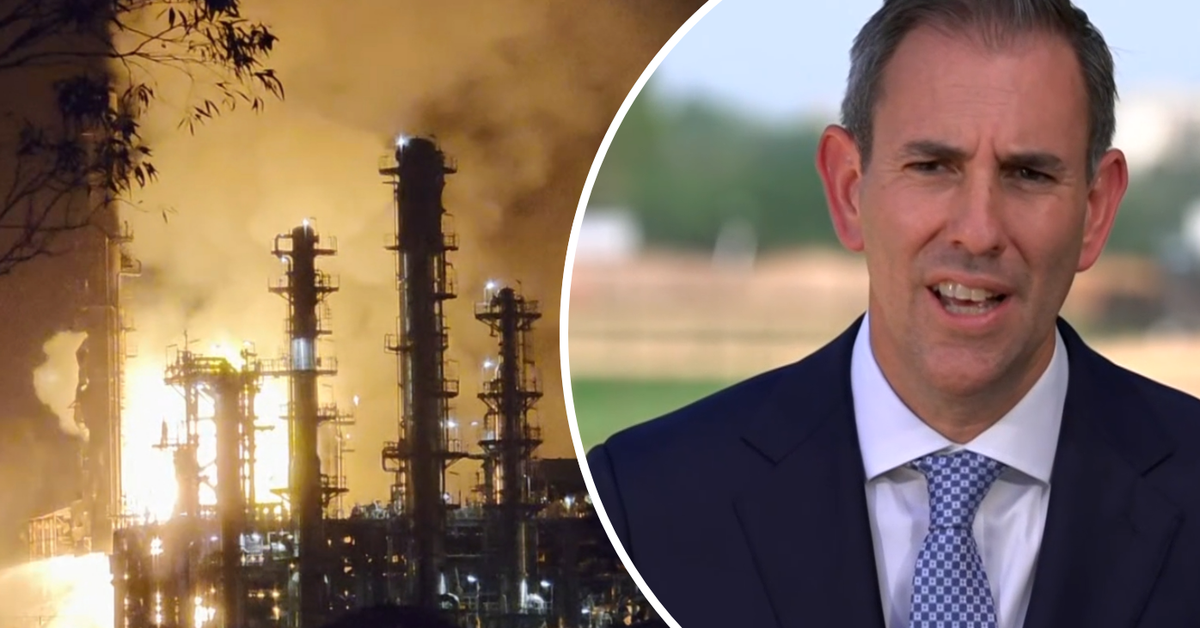
Despite a recent fire at the Viva Energy oil refinery in Geelong, petrol prices in Australia are expected to fall below $2 per litre over the weekend, as global oil prices decline. Prime Minister Anthony Albanese, who visited the affected site, indicated that the impact on fuel production has been less severe than anticipated, with 80% of diesel and aviation fuel production continuing unaffected. Additionally, imports are compensating for any lost supply, suggesting a positive trend for the country’s fuel reserves, which are nearing 40 days of petrol availability, according to ANU supply chains expert David Leaney.
However, Treasurer Jim Chalmers has raised concerns over the broader economic implications of global conflicts affecting supply chains. While he believes Australia may avoid recession, he warned that growth could be substantially slowed. The government’s upcoming budget, to be revealed next month, will need to consider these challenges.
Calls for long-term solutions to enhance Australia’s oil security are intensifying. Queensland Premier David Crisafulli has urged for the establishment of a third refinery in Gladstone, while Opposition Leader Angus Taylor advocated for increased local oil exploration and extraction. Taylor emphasised the need for proactive measures, urging the country to “drill, drill, drill” to bolster domestic production.
In summary, while the immediate fallout from the Geelong refinery fire appears manageable, the economic landscape remains uncertain, with potential repercussions for growth and calls for more robust energy security measures. These developments highlight the delicate balance between current petrol prices and future economic stability in Australia.