
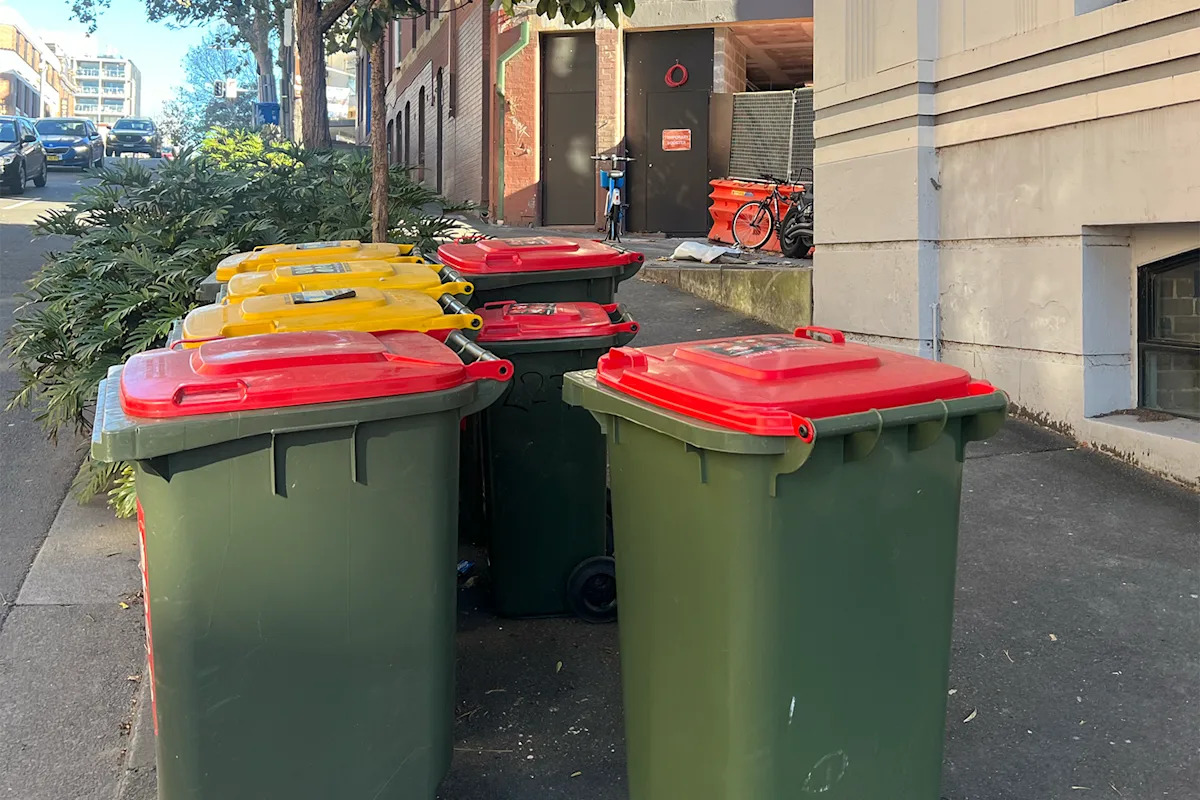
Amid ongoing global fuel supply challenges due to geopolitical tensions, several councils across Australia are contemplating increased fees for waste management services. Residents in regional New South Wales and Sydney suburbs could see these new charges implemented as early as July, as local councils set their budgets for the 2026/27 financial year.
The councils attribute these potential fee hikes to “anticipated fuel charges”, impacting not only bin collections but also various municipal services such as street cleaning and road maintenance. For instance, Northern Beaches Council is considering a fee increase of $53, reflecting an 8.8% rise in domestic waste collection costs. This hike includes a direct charge of $40, which is linked to increased diesel prices.
In Sydney’s southwest, Camden Council is proposing a significant fee increase of 35%, while Hornsby Council on the Upper North Shore is looking at a 10% rise. Bathurst Council is also seeking to introduce a $43 increase, with similar considerations from the Hills Shire and Parramatta councils.
If the current fuel crisis persists, it could affect other sectors as well. Uber, for example, has announced a temporary surcharge for customers to assist drivers with rising fuel costs, while Didi has implemented similar measures. Experts warn that Australia’s fuel supply system remains fragile, with the risk of escalating pressures leading to possible rationing. This could in turn increase the costs of essential goods in supermarkets, particularly impacting the agricultural sector where timely transport is crucial.
Local businesses, particularly restaurants and cafes, are also feeling the pinch. Many suppliers are introducing emergency fuel surcharges for deliveries, forcing establishments to either absorb these costs or pass them onto consumers. One Melbourne wine bar owner highlighted her decision to bear the increased delivery costs to avoid adding further financial strain on her customers.
The cumulative effects of rising fuel prices and associated surcharges could disrupt commuting patterns, increase pressure on public transport systems, and strain the logistics of food distribution, potentially leading to further economic challenges across various industries.
As councils grapple with budget pressures driven by external factors, residents should prepare for potential increases in their household bills and consider the broader implications of the ongoing fuel crisis.