
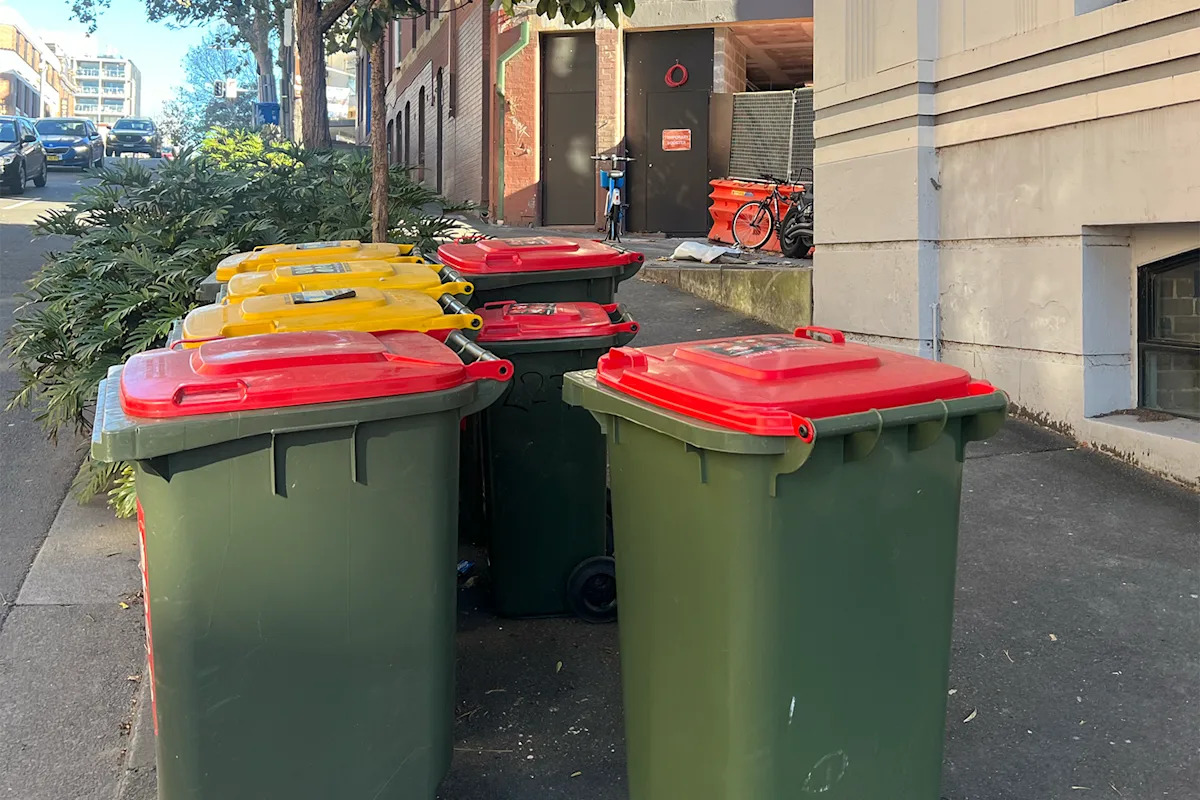
In Australia, several councils are contemplating new charges for waste collection and management, driven by ongoing challenges in global fuel supply linked to the US-Iran conflict. Ratepayers in areas such as regional New South Wales and Sydney suburbs may face increased fees as early as July for the 2026/27 financial year. Local councils have indicated that anticipated rises in fuel costs will be passed on to residents, affecting not just garbage collection but also services like street cleaning and roadworks.
The Northern Beaches Council is planning an increase of $53, which would raise domestic waste fees by 8.8 per cent, attributing $40 of this figure directly to the surge in diesel prices. Other councils, including Camden in Sydney’s southwest, are considering rises of up to 35 per cent, while Hornsby and Bathurst councils are proposing 10 per cent and $43 increases, respectively. Councils like Hills Shire and Parramatta are also eyeing similar adjustments.
As the fuel crisis intensifies, the impact is felt beyond local waste management. Uber has recently instituted a temporary surcharge of five cents per kilometre to assist drivers with rising fuel costs, and other ride-sharing services are following suit. The precarious fuel situation may force Australia into fuel rationing, which could lead to higher prices for essential goods, food supply delays, and increased operational costs for agriculture and food services. Hospitality venues, grappling with their own cost escalations, are also facing additional fuel surcharges from suppliers, putting financial pressure on an already strained industry.
As the situation evolves, the ramifications could extend to household commuting, public transport pressure, and limitations on workers’ mobility. Restaurants and cafes may find it increasingly difficult to absorb these costs without transferring them to customers, further stressing the financial landscape for many consumers.
In light of these developments, experts suggest that Australia is currently navigating the repercussions of past supply chain disruptions, with potential delays and reduced stock levels complicating matters further. As the nation continues to deal with these challenges, residents may need to prepare for extended difficulties, impacting their cost of living and daily routines.