
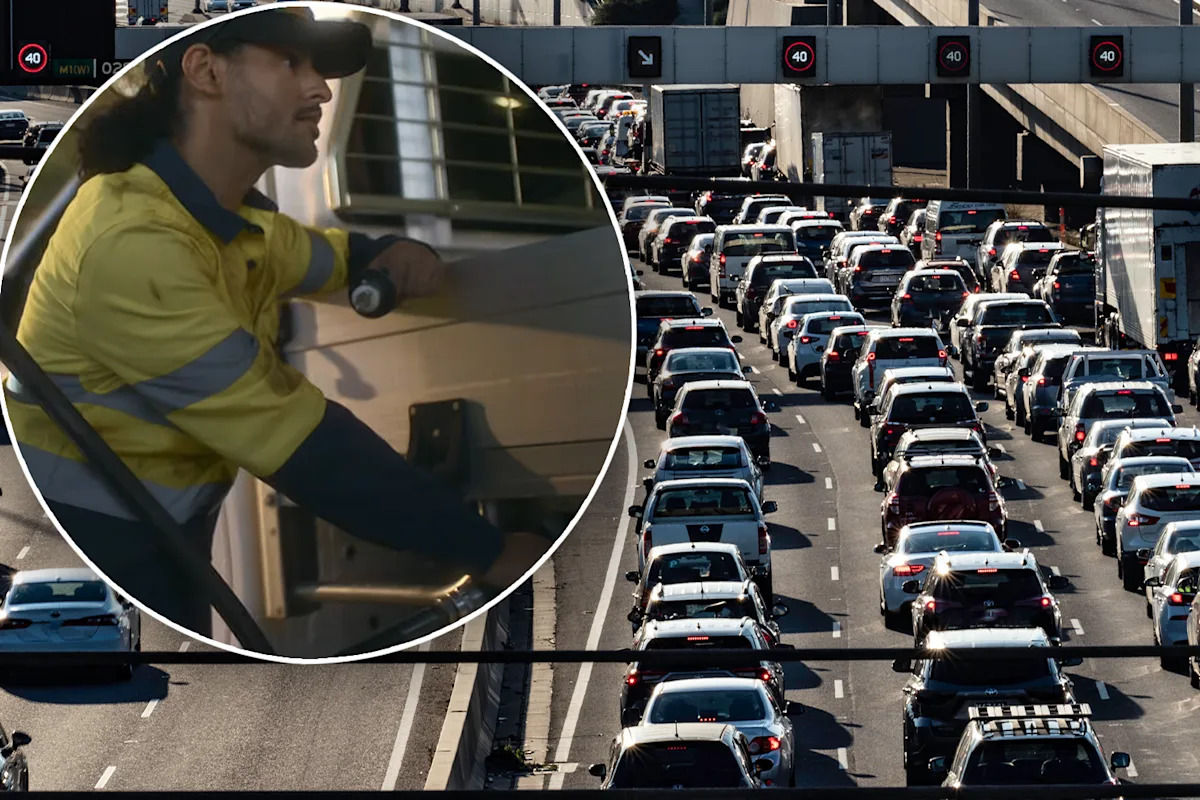
A leading transport expert has raised concerns regarding the Australian government’s $20 million fuel awareness campaign, suggesting it might not provide genuine value for taxpayers and could frustrate those struggling with rising fuel costs. The campaign, part of the National Fuel Security Plan, comes in response to ongoing fuel shortages exacerbated by the Middle East conflict. It encourages Australians to only purchase the fuel they need while promoting behaviours like efficient driving and reducing unnecessary travel.
Professor Hussein Dia from Swinburne University argues that instead of a behaviour-focused initiative, taxpayer dollars could have been better allocated towards long-term structural solutions such as improving transport alternatives or implementing demand management policies. He emphasised that if the campaign’s messaging feels out of touch with people’s realities who face limited transport options, it may lead to further frustration rather than effective behavioural change.
Critics, including Deputy Liberal Leader Jane Hume, have questioned the appropriateness of such an advertisement during a crisis, suggesting that funding could have been better spent directly assisting Australians in need rather than promoting awareness. Hume pointed out that $20 million could have filled numerous cars’ petrol tanks, highlighting the urgency of more tangible support amid high fuel prices.
In response, Social Services Minister Tanya Plibersek defended the campaign as a sound investment aimed at informing Australians about practical steps they can take for fuel conservation, suggesting it allows the government to prepare the public for possible further fuel shortages.
Dia noted that while awareness campaigns can influence behaviour, the efficacy is often marginal, particularly in urgent situations. He cautioned that real change is contingent on supporting systemic changes rather than being implemented as standalone measures. Furthermore, he pointed to a wider trend where voluntary demand reduction serves as a preliminary response before potentially resorting to stricter measures like rationing.
Ultimately, Dia believes that while the campaign could provide a vital supporting role in a fuel crisis, its success hinges on it being part of a larger framework of policy changes aimed at enhancing Australia’s fuel security and addressing the underlying issues faced by consumers.