
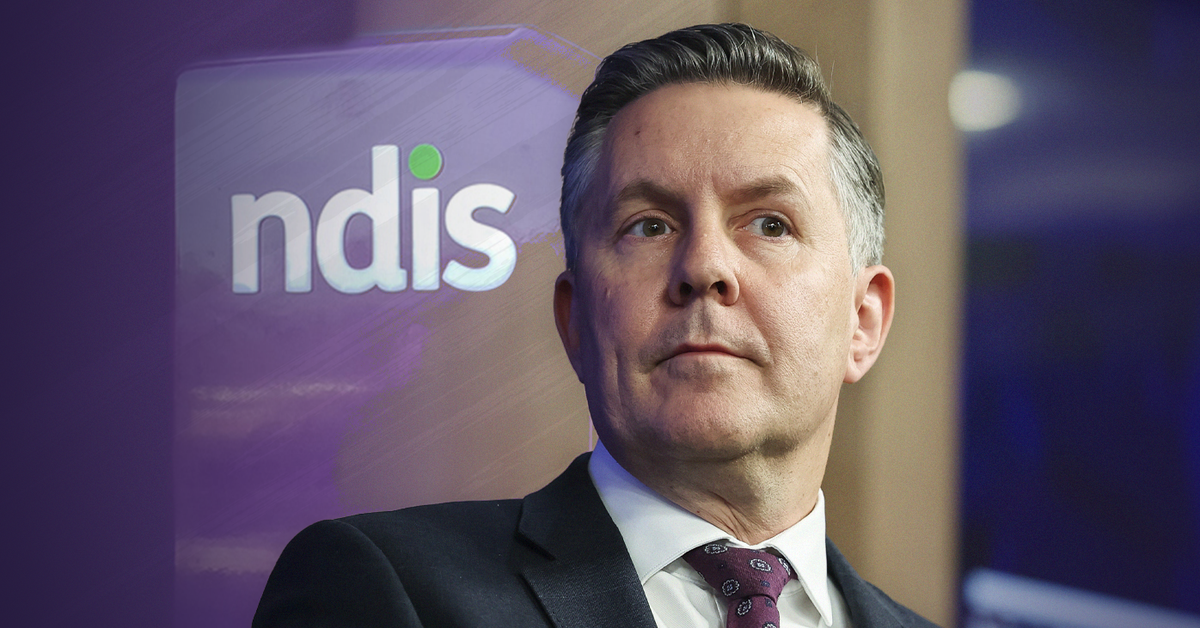
New eligibility criteria and enhanced scrutiny for NDIS providers are aimed at reducing the operational costs of the National Disability Insurance Scheme (NDIS) by an estimated $15 billion by 2030, following the government’s acknowledgement of the scheme’s unsustainable rapid growth. Health Minister Mark Butler announced that assessments will now focus on an individual’s “functional capacity impacting day-to-day living,” rather than solely on their diagnosis.
As families dependent on the NDIS await news on potential changes to their eligibility, concerns are growing regarding the necessity for repeated reassessments, especially when no changes have occurred in their conditions. Mark Woodland, CEO of NDIS tech platform Kismet, highlighted this stress-inducing process, noting participants often find these evaluations uncomfortable and demeaning.
The government’s plan outlines a potential decrease in the number of people receiving support through the NDIS, from the current 760,000 to around 600,000 by the end of the decade, instead of an anticipated rise to over 900,000. Additionally, funding per participant is set to decrease from an average of $31,000 to approximately $26,000. Butler described the adjustments as “hard but unavoidable,” given that the NDIS was initially designed for around 410,000 participants.
Woodland expressed that while structural reforms to manage the NDIS are necessary, careful execution is crucial to prevent genuine cases from being overlooked. He stressed the need for sensitivity in the decision-making process, acknowledging the emotional toll on families wishing to provide the best opportunities for their children.
Greens senator and disability advocate Jordan Steele-John voiced his alarm and sorrow over Butler’s announcement, stating that the disability community is now filled with dread about future uncertainties. He warned that numerous families might experience prolonged discomfort as they navigate the implications of these reforms.
Butler has pledged to eliminate fraudulent activities within the NDIS, which are believed to have led to misuse of about $1 billion in funds in 2023. Woodland pointed out that many fraudulent claims stem from structural issues, including incorrect codes and payment errors rather than intentional deceit.
The overarching challenge remains ensuring that the proposed changes do not lead to significant oversights in addressing the needs of individuals with disabilities. Stakeholders stress the importance of thorough consultation and consideration to uphold the dignity and rights of those reliant on the NDIS while striving for operational efficiency.