
Australians are increasingly pushing back against “shrinkflation,” with over half of the population expressing a willingness to pay more for larger portions when dining out. A recent survey by Money.com.au revealed that 56% of respondents preferred paying higher prices if it meant receiving more substantial servings at cafes and restaurants.
The hospitality sector is grappling with rising costs, prompting some businesses to either inflate prices or reduce portion sizes as a measure to maintain profitability. However, shrinkflation, where prices remain unchanged while sizes decrease, can frustrate customers. Many believe that businesses should absorb rising costs or manage expenses in other areas rather than diminishing customer satisfaction by providing less.
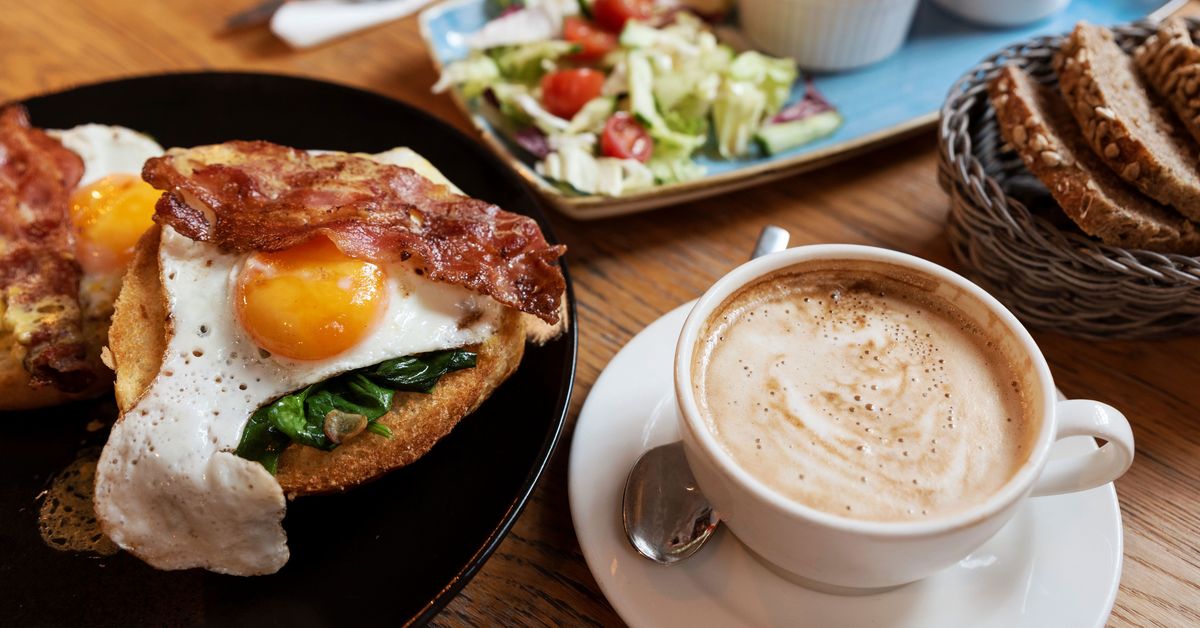
Experts warn that consumers have become increasingly aware of shrinkflation, particularly in casual dining scenarios. Sean Callery from Money.com.au noted that it feels like a deceptive practice when customers realise they’re receiving fewer items, such as a single piece of bacon instead of two. While shrinkflation is often accepted in supermarkets, the perception is different in cafes, where customers expect consistent portion sizes for their orders.
Younger Australians, specifically Gen Z, were found to be less inclined to accept paying a premium for larger portions, with only 45% supporting this perspective. Instead, they hold the expectation that businesses should absorb rising costs. This may reflect their relatively lower spending power compared to older generations, like Baby Boomers and Gen X, who tend to agree with paying more for larger servings.
The Australian Restaurant and Café Association (ARCA) acknowledges the challenges faced by the industry, with CEO Wes Lambert stating that while some prices may have risen by as much as 10%, portion sizes generally have remained steady due to the risk of customer dissatisfaction. The structure of servings makes it difficult to reduce portions without customers noticing, as set sizes for drinks and food are often standardised.
In essence, while Australians are recognising the impact of rising costs in the dining sector, they prefer transparency over shrinkflation and are willing to pay a little more for better value. The hospitality industry faces a nuanced balancing act of managing costs while maintaining customer satisfaction in an increasingly cost-sensitive environment.