
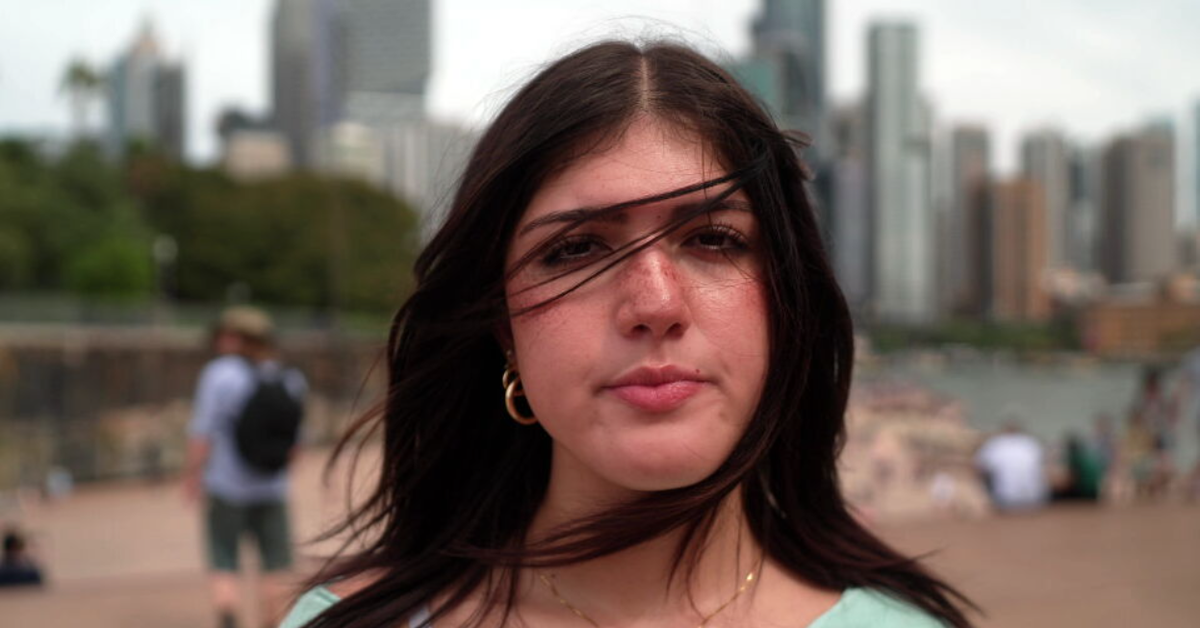
Ailin exemplifies the everyday Australian teenager, embracing music, the beach, and the challenges of studying for her Higher School Certificate (HSC). However, beneath this typical facade lies a weighty secret that would burden many adults: she is not an Australian citizen. Despite this, Ailin makes the most of her second chance at life.
“I love music, spend plenty of time at the beach, and play sports with my friends,” Ailin shares. She is a true overachiever, juggling voluntary work teaching English to Ukrainian children, her part-time job, and representative basketball, though she remains humble about her accomplishments.
Ailin’s story starts in Iran, where her parents fled in 2013 due to life-threatening circumstances that forced them onto a perilous boat journey to Australia. They arrived amid a significant influx of refugees, a time when the government was clamping down on people smuggling. Unfortunately, Ailin’s family succumbed to timing, arriving just days after a new law was enacted, which stated that those who arrived by boat without a visa could never permanently reside in Australia.
“As a result, we were sent to Nauru for processing,” Ailin recalls. “I remember the white tents, feeling hungry, and seeing my mum looking thinner than I’d ever seen her,” she says of their detainment. After enduring years in community detention, Ailin and her family eventually secured a temporary bridging visa that requires them to reapply every six months, rendering them essentially guests in the only home Ailin knows. Officially recognised as a refugee, Ailin faces additional challenges: she cannot study beyond high school or leave Australia without risking her re-entry.
Her aspirations in medicine, specifically radiation therapy, remain unfulfilled due to the restrictions imposed on her bridging visa. "Unlike my friends, I can’t pursue further education or go to university and chase my passions," Ailin expressed to Allison Langdon on A Current Affair. She longs to help fellow Australians, yet finds herself confined by her past and the laws in place to prevent future boat arrivals.
Ailin’s narrative highlights the unintended repercussions of legislation designed to deter people smuggling. She is one of the 126 children who arrived here as infants or young kids and now lives in a state of limbo—a child forgotten by the system. “I feel forgotten,” Ailin admits. “Everything significant in my life has happened here in Australia, and I consider myself Australian. I don’t know anything else.”
Through Ailin’s story, we see a young woman who strives to embrace life amid adversity while grappling with the realities of her citizenship status and unfulfilled dreams. Her resilience and determination underscore the human cost of immigration policies that affect the lives of innocent children.