
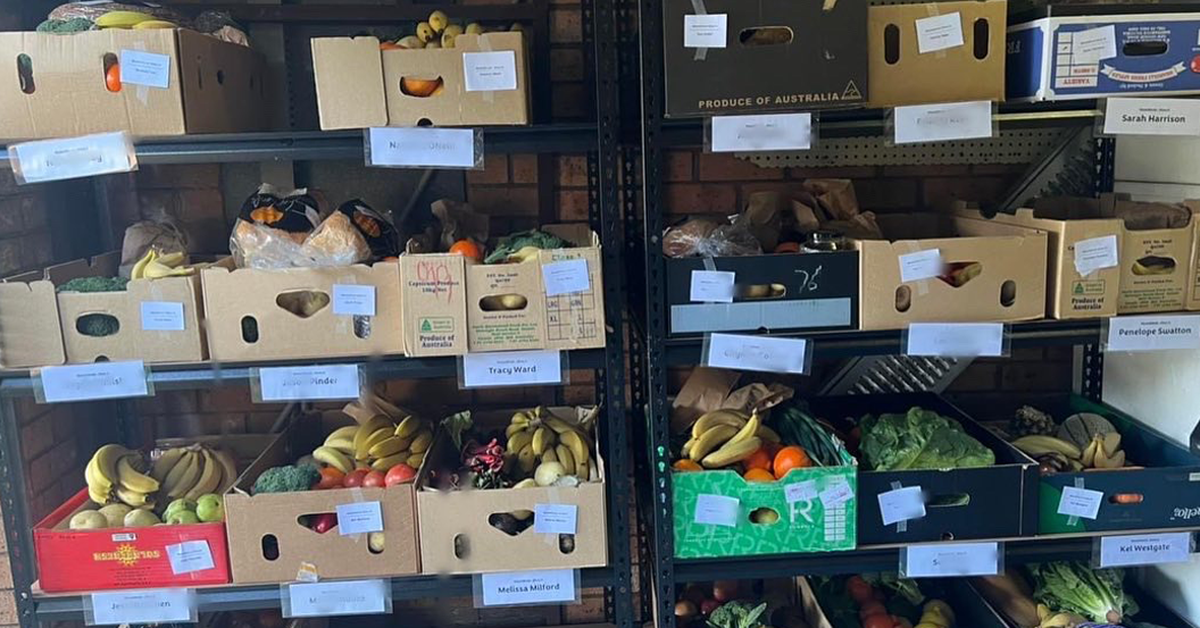
A community-based food network, Box Divvy, operating in New South Wales and Victoria, is optimistic about its ability to mitigate the effects of rising costs in the food supply chain. The ongoing crisis in the Middle East has resulted in increased prices for diesel, fertiliser, and transportation, which has squeezed farmers’ profitability, leading to concerns that fresh food prices could surge by up to 20%.
Leigh Lind, a member of Box Divvy, appreciates the more stable food sourcing system that the co-op provides. “We’re definitely considering our weekly purchases more carefully,” he remarked, highlighting the importance of the community-driven approach in times of uncertainty.
Box Divvy connects households with fresh, seasonal produce from local growers through a network of hubs. Each hub, which can consist of 15-40 members, allows participants to order groceries via an app, while a designated “hubster” manages the delivery and distribution. There are currently 350 hubs across NSW, the ACT, and Victoria, with plans to expand into Queensland soon.
Co-founder Anton van den Berg emphasized that roughly half of their produce comes from local sources, primarily within a 50-kilometre radius of their Granville warehouse. This proximity allows Box Divvy to keep transport costs down, even as fuel prices rise. The co-op is also exploring ways to incorporate produce from its members, encouraging “backyard growers” to contribute items like herbs and eggs for local sale.
The strategy aims to reduce reliance on distributed warehouse supplies while fostering resilience among smaller growers, particularly those in regional areas. Box Divvy currently offers local producers a financial incentive of 5-10% above the market rate to help alleviate their cost burdens.
As these cost pressures build, van den Berg warns that customers may face unpredictable supply and availability of seasonal produce in supermarkets. He stresses the necessity of strengthening local food systems to better navigate disruptions, stating that the current situation illustrates how vulnerable food supply chains are to global events.
Energy Minister Chris Bowen acknowledged the prolonged ripple effects of the supply chain disruptions, noting that the impacts would linger long after immediate crises are resolved. The message is clear: communities need to cultivate robust, locally connected food systems to be more resilient against future shocks.