
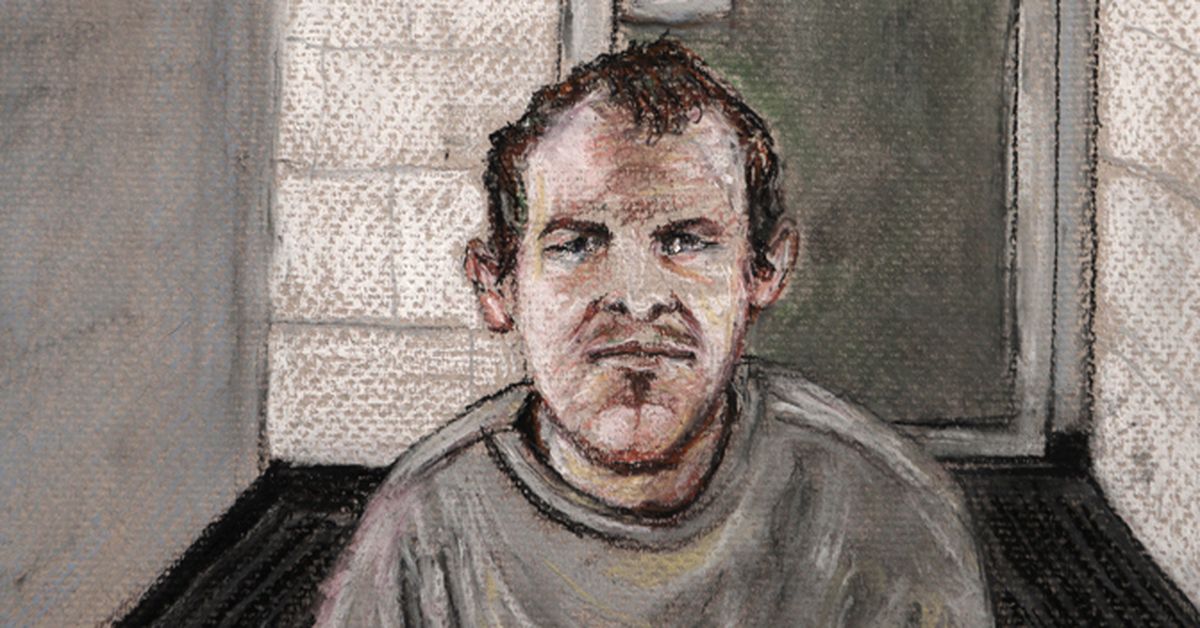
The New Zealand Court of Appeal has dismissed Brenton Tarrant’s attempt to withdraw his guilty pleas regarding charges of terrorism, murder, and attempted murder, claiming that harsh prison conditions had coerced him into his admissions. This appeal was rejected by a panel of three judges who deemed it “utterly devoid of merit.”
Tarrant, now 35, was responsible for the tragic Christchurch mosque shootings in March 2019, where he killed 51 worshippers and injured many others while attacking two mosques during Friday prayers with semi-automatic weapons. His guilty pleas in March 2020 provided relief to the victims’ families and survivors who were fearful of a prolonged trial that might allow Tarrant to express his extremist views publicly.
He received a life sentence without the possibility of parole for his actions. The court noted that Tarrant filed his appeal 505 days past the legal deadline, thus averting a potentially infamous trial for a second time.
During a five-day hearing in February, Tarrant claimed his guilty pleas were a result of irrationality caused by poor mental health, suggesting that he temporarily abandoned his extreme beliefs. However, the judges found his assertions inconsistent and unsupported by evidence from prison staff, mental health professionals, or his previous lawyers. They concluded that he was of sound mind when he decided to plead guilty, labelling his claims as attempts to mislead the court for the sake of his appeal.
After the hearing, Tarrant sought to retract his appeal, but the judges insisted on reaching a final decision, citing the case’s importance to the public. They speculated that Tarrant, sensing the negative trajectory of his case, sought to abandon the appeal once it became clear he was unlikely to succeed.
Tarrant, who has since replaced his legal team, remains incarcerated at Auckland Prison, where he will serve his life sentence without parole. He had moved to New Zealand in 2017 with the explicit intention of carrying out a mass shooting, amassing weapons and scouting locations for his planned assault. The court affirmed that the evidence against him was overwhelming, including his own footage of the attack, which he broadcast online, and a manifesto outlining his racist ideologies published under his real name prior to the atrocities.
In closing, the court’s decision upholds Tarrant’s life sentence, ensuring he will not return to the public.