
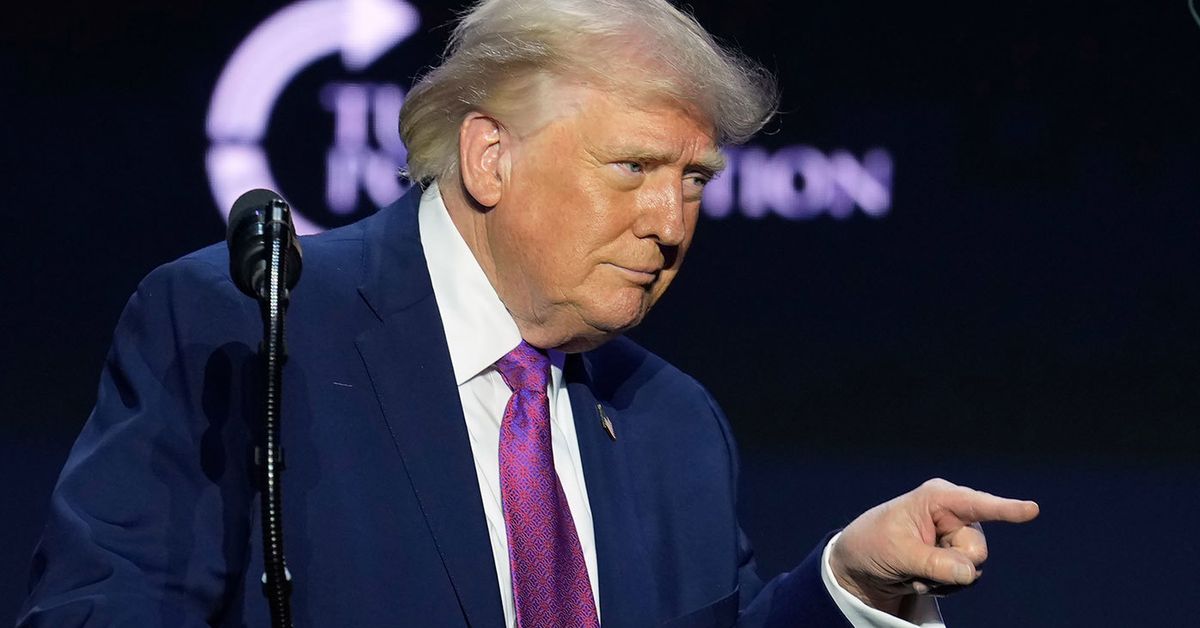
Donald Trump may be in line for a substantial financial settlement following his tax office’s decision to settle a lawsuit against him. The IRS and Trump have jointly requested a 90-day extension from the court to resolve the issue amicably, emphasising that this additional time would help streamline the process.
Amidst this backdrop, concerns have been raised by ethics watchdogs regarding Trump’s influence over the IRS and the Treasury Department, as he holds the authority to appoint and dismiss senior staff at these agencies. Democracy Forward, an advocacy group, has filed a brief opposing the lawsuit, arguing that Trump is attempting to illegitimately enrich himself with taxpayer money. Their CEO, Skye Perryman, has labelled the situation a corrupt misuse of power, suggesting that Trump’s actions threaten the integrity of the justice system.
Despite the ongoing legal challenges, Trump has maintained a confident stance, claiming he has effectively ‘won’ the lawsuit and may receive a windfall. He has previously stated that, should he receive funds, he could donate a significant portion to charity, although his past promises to contribute have often gone unfulfilled.
The attorney’s general perception of Trump’s actions has resonated with various political figures, including Senator Elizabeth Warren, who has publicly decried the lawsuit as blatant theft of taxpayer dollars. In response, she has introduced legislation aimed at making such actions illegal.
Trump’s tax returns have been a contentious issue throughout his political career. Traditionally, presidential candidates disclose their tax returns; however, Trump broke with this custom during his 2016 campaign, citing an ongoing audit as his reason. Despite this, there are no legal barriers preventing him from releasing his tax information. As it stands, he has yet to make any of his tax returns public, continuing to draw scrutiny and criticism as speculation surrounding his financial dealings persists.
This legal battle not only involves monetary implications but also raises deeper concerns about ethics, transparency, and the precedent it sets for the intersection of power and personal financial gain in politics.