
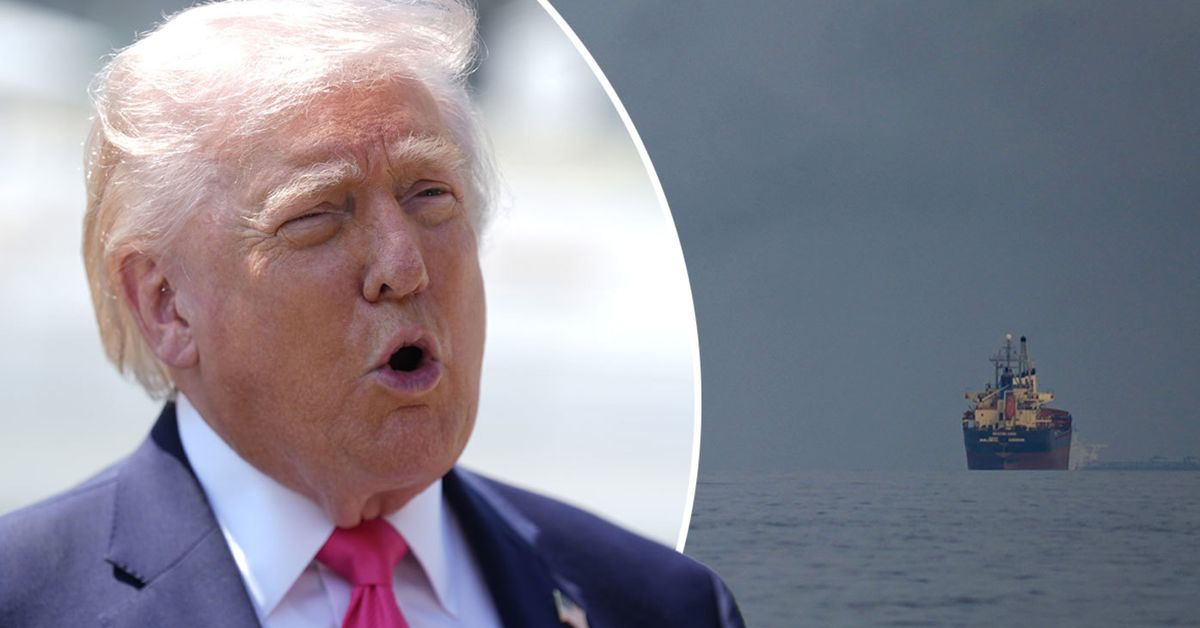
US President Donald Trump and Iran’s Foreign Minister Abbas Araghchi announced that the Strait of Hormuz is currently open for commercial vessels, coinciding with a 10-day ceasefire in Lebanon that seems to be holding. This pause in hostilities provides a potential stepping stone towards a broader peace agreement involving the US, Iran, and Israel, aimed at resolving weeks of conflict. However, there are concerns over Hezbollah’s willingness to accept a deal it didn’t actively participate in negotiating, particularly since it allows Israeli troops to maintain a presence in southern Lebanon.
In a social media update, Trump noted that Iran confirmed the strait is “fully open and ready for full passage,” coinciding with Araghchi’s declaration that all commercial vessel traffic would remain unimpeded for the duration of the ceasefire. The future implications of the US blockade on the strait, however, remain uncertain, as Trump indicated that the blockade would remain effective until a more comprehensive peace is reached with Iran.
Celebrations erupted in Beirut as the truce took effect, with residents taking to the streets despite warnings against premature returns to unsettled areas. UN peacekeepers reported no airstrikes since the ceasefire commenced, although claims of Israeli airspace violations were made, which Israel has not commented on. According to the agreement disclosed by the US State Department, Israel is permitted to defend itself from immediate threats but is restricted from offensive actions in Lebanon.
Trump characterised the ceasefire as a “historic day for Lebanon,” expressing optimism about the potential resolution of the conflict with Iran. He indicated significant progress was made in negotiations with Lebanese and Israeli leaders, culminating in a memorandum of understanding for the ceasefire. However, Israel’s Defence Minister stated that Israeli forces would remain deployed in southern Lebanon to continue their operations against Hezbollah.
A crucial negotiation barrier remains the status of Israeli troops in Lebanon, with reassurance from Iran that a cessation of hostilities in Lebanon was central to talks. Tensions persist amid ongoing diplomatic efforts, as the complexities of Iran’s nuclear ambitions, the Strait of Hormuz’s operation, and compensation for wartime damages are at the forefront of discussions.
Overall, while optimism is growing for a resolution following the ceasefire declaration, the volatility in the region continues and the stakes remain high.