
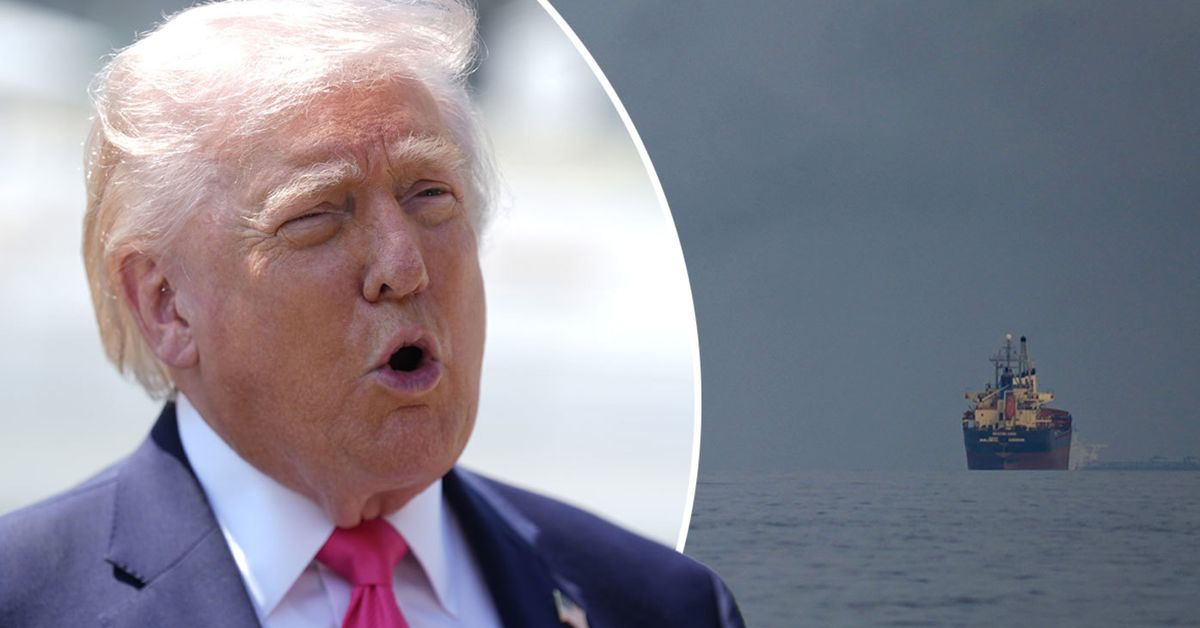
In a recent statement, US President Donald Trump and Iran’s Foreign Minister Abbas Araghchi announced that the crucial Strait of Hormuz is now fully open to commercial vessels, coinciding with a 10-day ceasefire in Lebanon. This truce, which puts a temporary halt to hostilities between Israel and the Hezbollah militant group, is seen as a significant step toward easing tensions between Iran and the US, as well as Israel. However, uncertainty lingers regarding Hezbollah’s acceptance of any agreement that they weren’t part of negotiating, particularly with Israeli forces still operating in southern Lebanon.
Trump declared the strait “fully open and ready for full passage,” emphasizing the ceasefire’s role in this development. Meanwhile, Iran’s Foreign Minister confirmed that commercial traffic would remain unobstructed during the ceasefire period. Despite this, it is uncertain how this would impact the ongoing US blockade of the strait, which Trump reiterated would continue until a diplomatic resolution with Iran is reached.
Celebrations erupted in Beirut with gunfire into the air marking the beginning of the ceasefire, while some displaced families attempted to return home in southern Lebanon. UN peacekeepers have reported no airstrikes since the truce commenced but noted violations of airspace by Israeli forces.
The humanitarian toll of the conflict has been severe, with thousands dead in Iran, Lebanon, and other regions. Following his announcement, Trump indicated that the situation in Iran was improving and expressed hope for a swift conclusion to the war.
Israeli officials, including Defence Minister Israel Katz, confirmed that Israeli troops would remain in southern Lebanon throughout the ceasefire, insisting that attempts to neutralise Hezbollah’s capabilities were ongoing. Prime Minister Benjamin Netanyahu supported the ceasefire as a path to peace but maintained that military positions would not be withdrawn.
While Hezbollah retains a stance on resisting Israeli actions, the US State Department stated that Israel has the right to self-defence but should refrain from offensive operations against Lebanon.
The ceasefire agreement resulted from intense diplomatic efforts, including communications between US and Israeli officials, and marks a significant shift in the complex dynamics of the region, particularly given the historical opposition of Hezbollah to direct negotiations with Israel.
As the ceasefire potentially opens doors for more extensive diplomatic discussions, key issues such as Iran’s nuclear ambitions and the Strait of Hormuz’s status remain critical points for resolution. Should progress be made, Trump indicated that he would consider extending the ceasefire to facilitate further negotiations, hinting at a potential long-term strategy for resolving ongoing conflicts.