
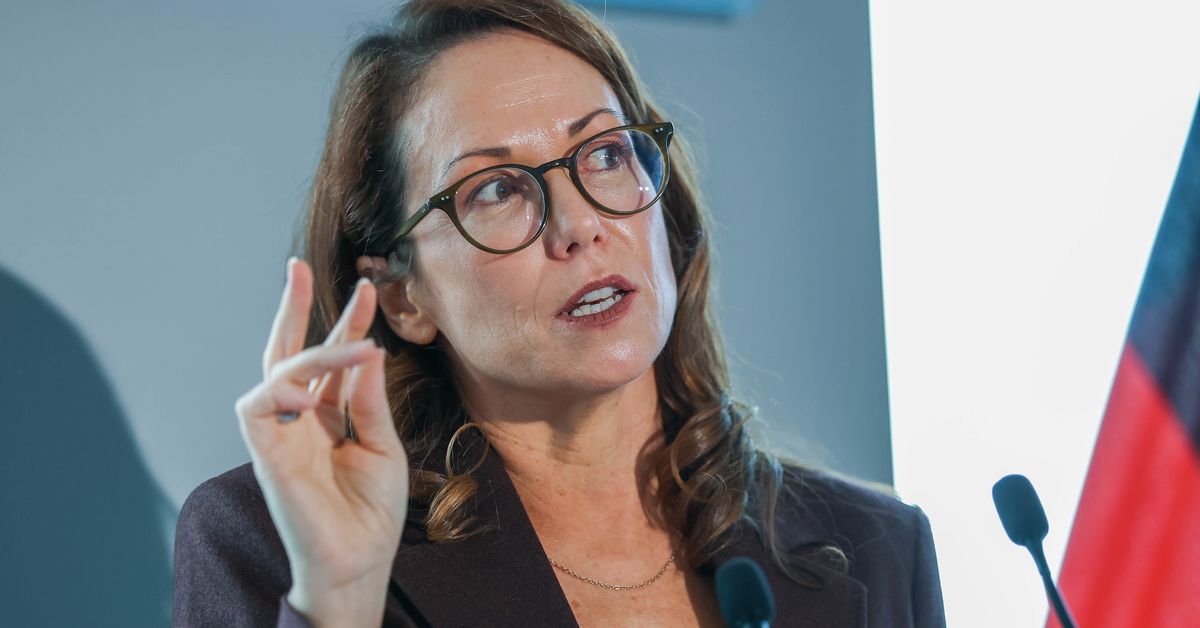
The Victorian government has announced its pre-election budget, marking its first operating surplus in seven years with the aim of granting families “a bit more room at the end of the week.” Delivered by Treasurer Jaclyn Symes, this budget targets alleviating cost-of-living pressures and aims to reduce Victoria’s debt in relation to the economy over the forthcoming years.
In her speech, Symes highlighted that achieving financial security has become increasingly challenging, stressing the need for “real help, right now” for Victorians. She remarked on the shifting social compact, which once promised that hard work would yield a decent life, now feeling less secure for many families.
While the budget included numerous prior commitments, it did not feature any unexpected incentives. Facing ongoing concerns about state debt, the Labor government aspires to secure a fourth term in the upcoming elections.
Key features of this budget promise various financial reliefs, including a 20 per cent rebate on vehicle registration fees, equating to up to $186 per driver, supported by a substantial $750 million fund. Commuters will continue to benefit from free public transport until the end of the month, with reduced fares for the remainder of the year. Additional funding has been allocated for enhanced public transport services, including $100 million for more bus routes and $673 million for new train acquisitions.
Education commitments include over $760 million for new schools and upgrades, as well as support for students with disabilities via a $2.2 billion investment. Healthcare initiatives comprise $95 million for an upgraded emergency department at Werribee Mercy Hospital, alongside various allocations for children’s healthcare, including funding for additional surgeries and specialist appointments.
The budget reflects a significant $1.04 billion investment in road infrastructure, aimed at repairing and resurfacing throughout Victoria, particularly in regional areas. Additionally, it extends a stamp duty discount scheme for the purchase of off-the-plan developments for an extra six months.
Petrol prices in Victoria are projected to average $2.30 per litre in the upcoming quarter, with expectations of a gradual decline to around $2 per litre by the end of 2026. Despite announcing a nominal surplus, Victoria’s net debt is anticipated to approach $200 billion by the 2029/30 financial year, generating a substantial daily interest bill.
While the government has declared “no new taxes” for this year, forecasts indicate that tax revenues are set to reach unprecedented heights, potentially translating into increased property taxes and higher vehicle registration costs for residents. Public sector expenditure is also projected to rise significantly, despite government efforts to curtail spending in non-essential areas.
This budget, laden with both promises and challenges, sets the tone for the coming elections, as the government navigates fiscal pressures while striving to meet the needs of Victorians.