
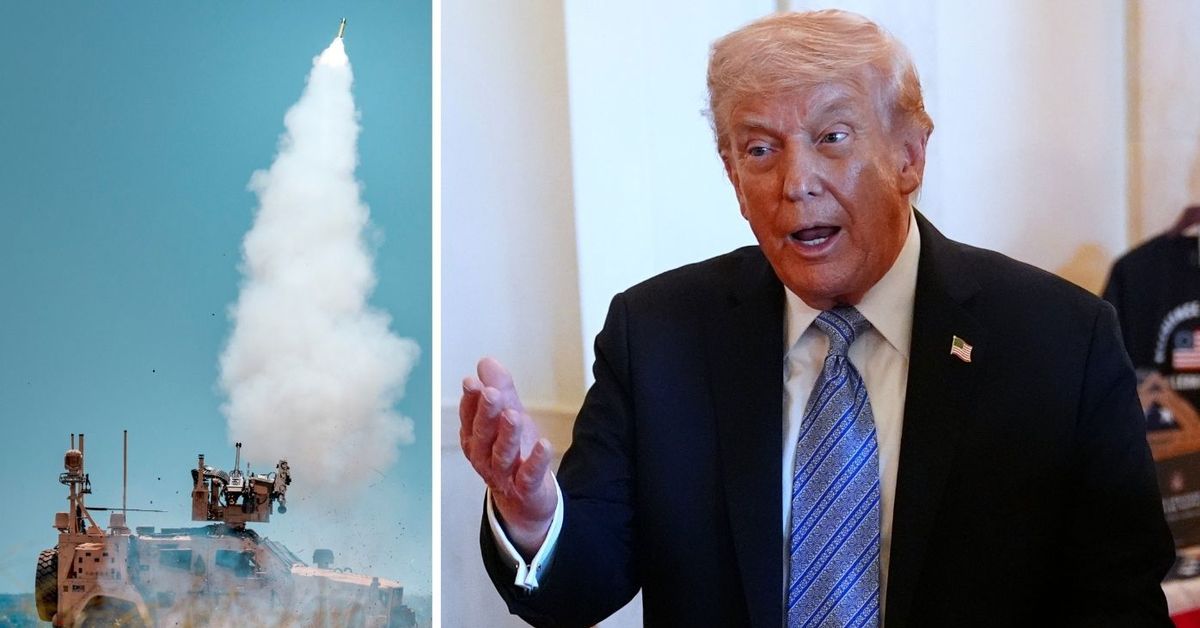
In the face of escalating tensions in the Middle East, particularly following the conflict between Israel and Hamas, former President Donald Trump has been vocal about his perspectives. However, his statements have tended to be inconsistent and sometimes perplexing, leaving many to question his stance on the ongoing crisis.
Trump initially expressed support for Israel’s right to defend itself, aligning with traditional US foreign policy. Yet, his messages have also shown a more nuanced approach to the situation, often oscillating between strong endorsements of Israel’s military actions and calls for restraint and humanitarian considerations. This duality has sparked confusion among both supporters and critics alike regarding his true position on the conflict.
Moreover, Trump’s commentary reflects a broader political strategy. He appears to be leveraging the situation to reaffirm his role as a strong leader in foreign policy discussions, hoping to rally support from various factions within the Republican Party. His focus on security and stability resonates with many conservative voters who prioritise a tough stance against terrorism. At the same time, he has made an effort to address concerns about civilian casualties, which is crucial given the overwhelming humanitarian crisis that has unfolded in the region.
The response from Trump has also highlighted the polarised nature of American politics when it comes to foreign affairs. While a faction of the Republican Party maintains a pro-Israel sentiment, there is a growing segment that advocates for a more balanced view, urging for peaceful resolutions rather than military engagements. Trump’s conflicting messages seem to navigate this divide but often fail to offer a definitive or coherent policy approach.
As the conflict continues to unfold, Trump’s ambiguous messaging raises questions about what influence he may have over US foreign policy if he were to return to office. His observations and reactions, laden with a mix of bravado and concern, illustrate the complexities leaders face when addressing multifaceted international crises.
In summary, Trump’s commentary on the Middle East conflict encapsulates the tension between expressing unwavering support for an ally while acknowledging the dire humanitarian implications of military actions. This duality not only reflects his intricate political manoeuvring but also underscores the challenges of formulating a clear and effective response to such a complex global issue. As the Middle East continues to grapple with conflict, Trump’s messages, while aimed at asserting his leadership, often end up muddled, leaving allies and opponents alike seeking clarity.