
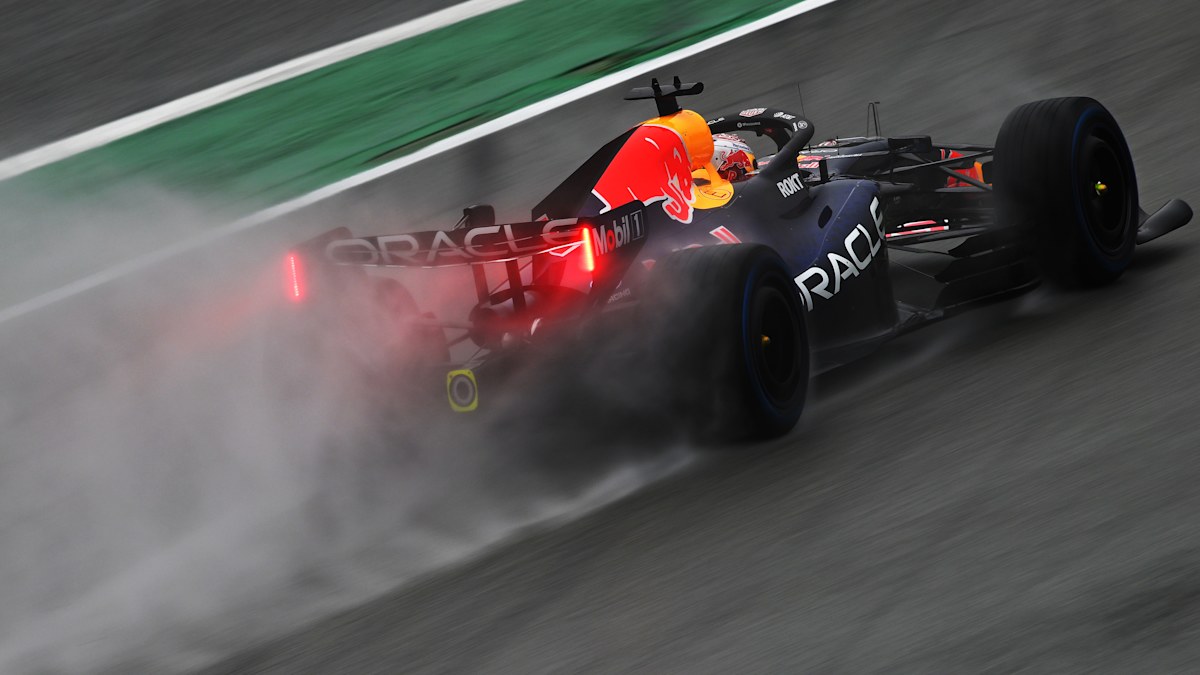
Ayrton Senna, Lewis Hamilton, and Max Verstappen are celebrated for their remarkable performances in challenging wet conditions during pivotal F1 races. Each driver delivered standout moments that solidified their status in motorsport history, with Senna’s 1993 Donington Park victory, Hamilton’s dominating 2008 British Grand Prix win, and Verstappen’s impressive comeback in Brazil 2016. However, a recent change in the FIA’s 2026 engine regulations could dilute the excitement of future wet-weather races.
This latest update seeks to enhance safety and driver control in adverse conditions, notably by reducing the maximum deployment of the Energy Recovery System (ERS). Essentially, this means that cars will have less power available during wet conditions, making them easier to handle but also potentially less thrilling. Critics argue that this change undermines the essence of Formula 1 as the pinnacle of motorsport—where the best drivers should master powerful and challenging cars, even when the weather turns treacherous.
In past races, the true skill of drivers like Senna, Hamilton, and Verstappen shone under wet conditions. Senna established an early lead in Donington, while Hamilton showcased flawless technique, finishing a minute ahead of competitors at Silverstone. Verstappen’s ability to navigate from 16th to third place in Brazil exemplified extraordinary car control. Such performances are what fans cherish and remember for years.
The new regulations, while intended to address safety concerns after incidents like Oliver Bearman’s crash in Suzuka, have sparked backlash among fans. Reducing power in wet conditions could fundamentally alter the strategic nature of races, making them less intense and gripping. Furthermore, by taking away the drivers’ need to handle power unpredictably, the sport may lose its edge and the element of danger that inherently accompanies it.
This shift in approach, aiming to make cars more manageable during rain, is perceived by many as a contradiction to the sport’s long-established reputation for thrilling, sometimes perilous competition. Proponents of driver skill and authenticity argue that Formula 1 should remain a test of bravery and finesse, with stringent demands placed on drivers, especially in challenging weather conditions.
While fans have been asked to be patient with the new regulations, initial impressions suggest that significant issues persist. As teams are already working on next year’s models, the possibility for major changes appears slim, raising concerns about the direction of the sport. The idea of reducing power during wet races could indeed signify a critical turning point for Formula 1, one that supporters hope will not detract from the excitement that wet races traditionally deliver.