
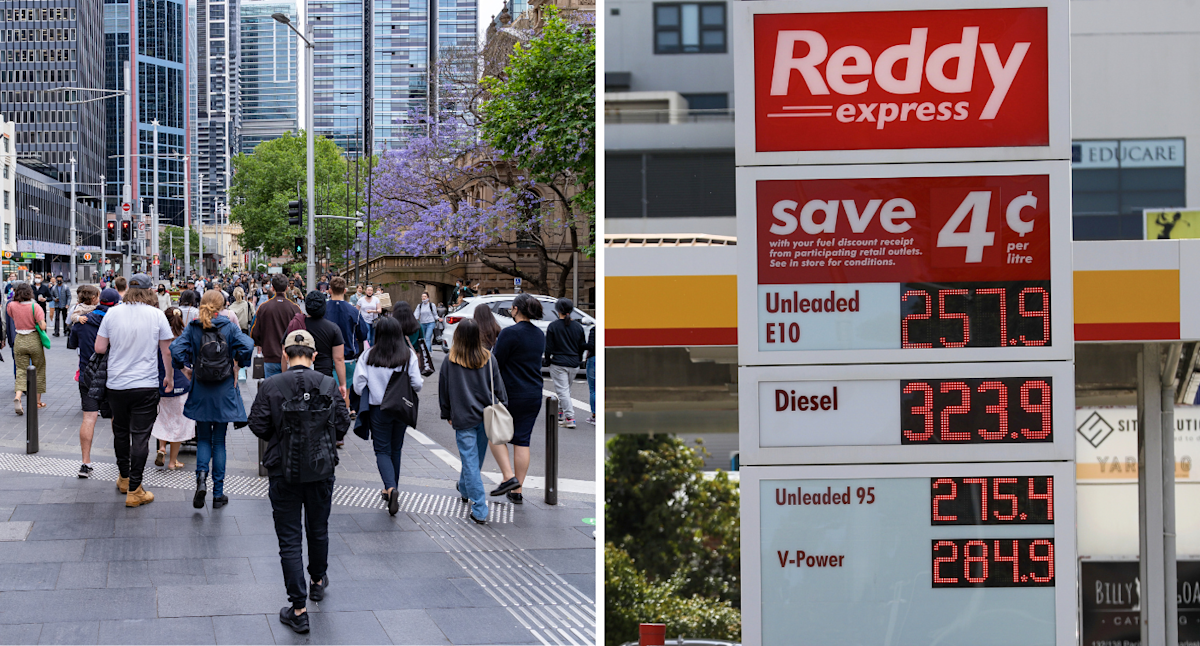
In response to soaring petrol prices exacerbated by the Iran war, the United Services Union (USU) has initiated a significant campaign on behalf of over 55,000 council workers in New South Wales. They are advocating for emergency work-from-home arrangements, a transition to a four-day work week, and an increase in fuel subsidies by 50%.
The USU plans to present a new temporary award to the NSW Industrial Relations Commission, designed to activate during a “fuel crisis event” when the price of unleaded petrol exceeds $2 per litre, in accordance with benchmarks from the Australian Institute of Petroleum. This temporary measure is intended to ease the financial strain on workers grappling with the rising costs tied to fuel.
In a proactive measure, USU’s legal head, Daniel Papps, has reached out to all 128 councils across the state, urging them to consider work-from-home options for employees capable of performing their roles remotely. For those whose roles necessitate their physical presence, a four-day work week is being proposed, allowing them to condense their hours and save on commuting costs. Papps highlighted the importance of ensuring that fuel resources prioritise essential workers, such as tradespeople and drivers, who require access to petrol.
A survey conducted by the union reveals that a significant number of council employees are feeling the pinch from increased petrol expenses, with around 40% reporting an additional $50 weekly expenditure on fuel and 20% facing costs exceeding $100. Alarmingly, 70% of respondents indicated that current allowances do not adequately cover their heightened expenses, leading some to contemplate leaving their positions due to the financial burden.
In regional areas, the situation is particularly dire, with some workers travelling daily distances of 100 to 120 km to fulfil their job duties. The union is adamant about protecting its members from the hardships brought on by fluctuating fuel prices, especially given the uncertainty in the global landscape.
The proposed measures not only aim to alleviate financial stress but also seek to adapt the working model to a changing economic environment, prioritising both employee welfare and operational efficacy. As the situation evolves, the USU remains committed to advocating for its members’ rights and well-being during these challenging times.