
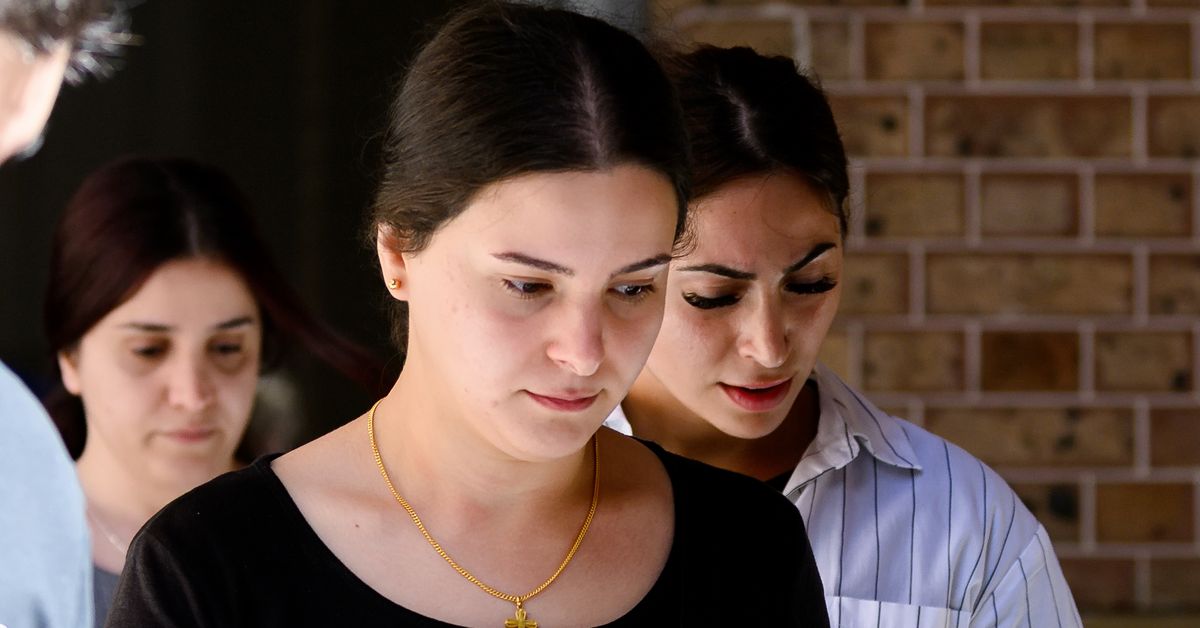
In a tragic case, Soneevia Al-Qas Soomo testified in court about the violent actions of her father, Alam Al-Qas Soomo, who fatally stabbed her mother, Samar Shlemoon, during a domestic dispute in November 2020. Samar was attacked in their Sydney home, shortly after her husband had previously threatened her with a knife. The incident took place just nine days after he became violent with their daughters when they attempted to intervene during one of his outbursts.
Soneevia, now 42, expressed her belief that her father does not regret his actions, and shared her ongoing pain over her mother’s death. In a poignant statement read on her behalf, she lamented, “I didn’t get a chance to hug her one last time” and expressed her wish to be buried alongside her mother. Her sister, Sonia, described Samar as a “wonderful woman” and revealed that the family constantly blames the daughters for their mother’s death.
The court heard that the Al-Qas Soomo sisters, who immigrated to Australia from Syria in 2019 to escape the Iraqi War, now find themselves without parental support following the loss of their mother and the incarceration of their father. Crown prosecutor Mark Hay noted that the siblings arrived in Australia with limited resources and language skills. The impact of their father’s violent actions has left deep emotional scars, with Justice Stephen Campbell highlighting the extensive psychological harm inflicted on the children.
Alam Al-Qas Soomo was deemed unfit for trial after being diagnosed with a psychotic disorder characterised by delusional jealousy towards his wife. This disorder led to his controlling behaviour, which included isolating Samar and subjecting her to severe humiliation and abuse. While he was found to be aware that what he did was wrong, the court determined that his mental state contributed to his actions. A special verdict declared he committed manslaughter rather than murder.
The judge noted that just one day prior to the tragedy, Alam had discussed with his daughter the need to change his abusive behaviour, highlighting the complexity of his condition. Currently, he has been in custody since the incident, and a hearing is set for March 14, where he will learn the minimum time he must remain imprisoned. Further assessments regarding his mental health will also take place before any potential release.
This case underscores the devastating effects of domestic violence, not only on immediate victims but also on children who are left to navigate the aftermath of such traumatic events.