
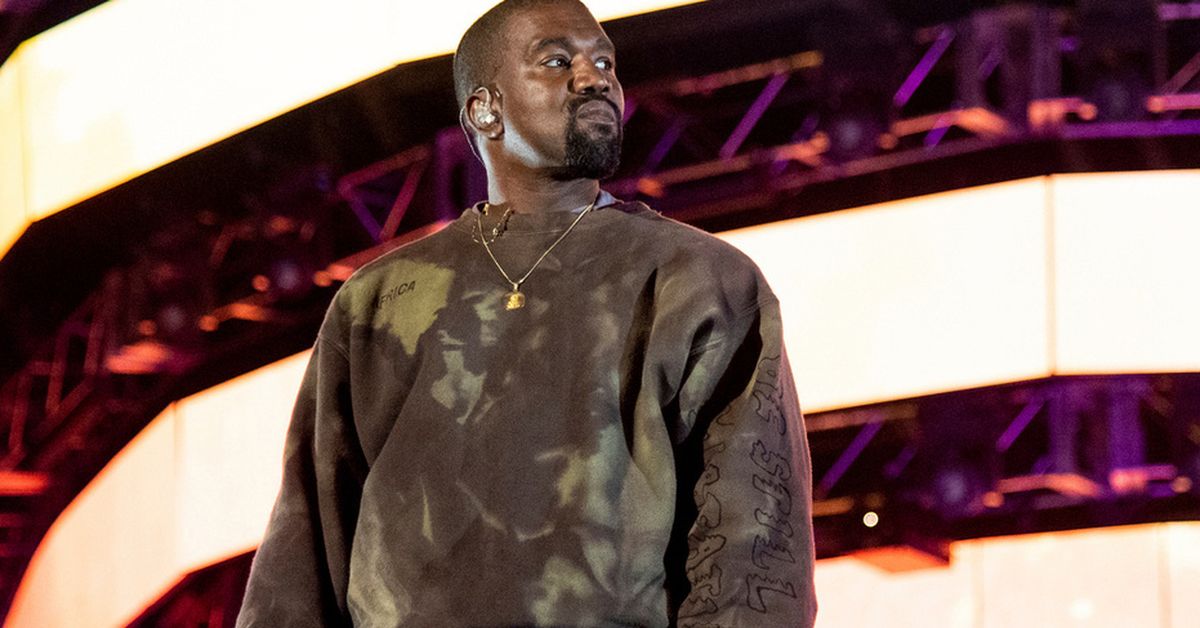
The artist formerly known as Kanye West, now referred to as Ye, has been prohibited from entering the UK ahead of his planned performance at the Wireless Festival scheduled for July. The decision follows backlash against Ye’s history of antisemitic comments, prompting UK government officials to declare that his presence would not be in the public interest, as reported by the BBC.
As a consequence of the ban, festival organisers announced the cancellation of the entire three-day event in Finsbury Park, London, which was expected to attract around 150,000 attendees. This move came under considerable pressure from sponsors and politicians, who were alarmed by Ye’s controversial remarks, including his public admiration for Adolf Hitler.
Ye, who recently released a song titled Heil Hitler and promoted a merchandise featuring a swastika, faced widespread condemnation for his actions. While acknowledging his previous behaviour, Ye issued an apology in January, citing a manic episode linked to his bipolar disorder that led to "psychotic, paranoid and impulsive behaviour".
In light of the uproar, major sponsors like Pepsi and Rockstar Energy withdrew their support for the festival, with Labour leader Keir Starmer expressing his concerns about Ye’s booking. Although Ye expressed a desire to engage with the Jewish community in the UK, stating he sought the opportunity to demonstrate change through his actions, community leaders have made it clear that they would require proof of genuine remorse before engaging with him, especially in a public setting such as the festival.
The president of the Board of Deputies of British Jews indicated a willingness to meet with Ye, provided that he steps down from performing at the festival first. Meanwhile, Festival Republic, the event’s organiser, defended Ye, emphasising that he would not be given a platform for his opinions but rather allowed to perform popular songs.
Despite these statements, UK Health Secretary Wes Streeting labelled the organisers’ justification as "absurd" and asserted that Ye should not take the stage at this event. As of now, no comment has been provided by Ye’s representatives in response to the unfolding events.
The situation remains poignant as Ye’s actions continue to stir both controversy and discussion, raising critical questions about accountability, public platforms, and the intersection of art and responsibility in contemporary society.