
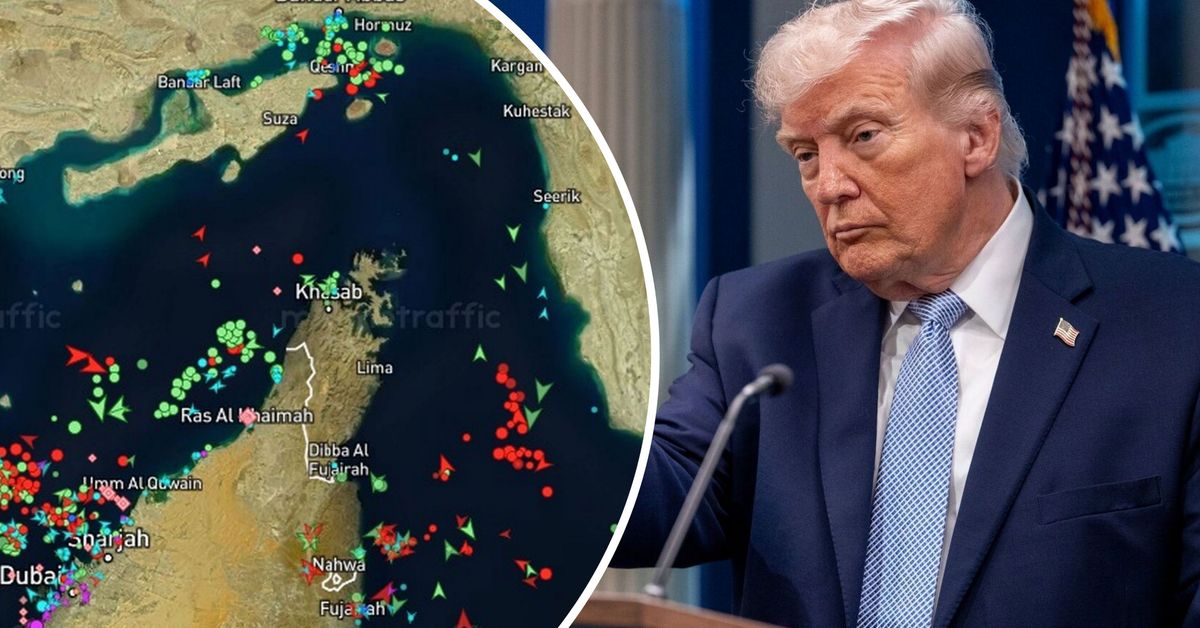
In a recent announcement, President Donald Trump declared that the U.S. Navy will commence a blockade of vessels in the Strait of Hormuz. This decision follows the breakdown of peace negotiations between the United States and Iran.
Trump conveyed on Truth Social that the Navy would take immediate action to interdict any ships attempting to enter or exit the strategic waterway, explicitly targeting those that have paid fees to Iran. He emphasized the Navy’s unmatched capability and underscored the seriousness of this move, asserting, “Effective immediately, the United States Navy, the Finest in the World, will begin the process of BLOCKADING any and all Ships trying to enter, or leave, the Strait of Hormuz.”
The President described these actions as necessary due to Iran’s refusal to engage in productive discussions, suggesting that their vague claims regarding potential maritime threats have hindered any progress. He referred to this state of affairs as “WORLD EXTORTION,” indicating frustration over Iran’s perceived manipulation of the situation.
This development marks a significant escalation in U.S. military readiness and engagement in the region, aimed at ensuring safe passage through one of the world’s most crucial maritime corridors. As tensions remain high, the implications of the blockade will unfold, potentially affecting global oil markets and international diplomatic relations involving Iran and other stakeholders in the region.