
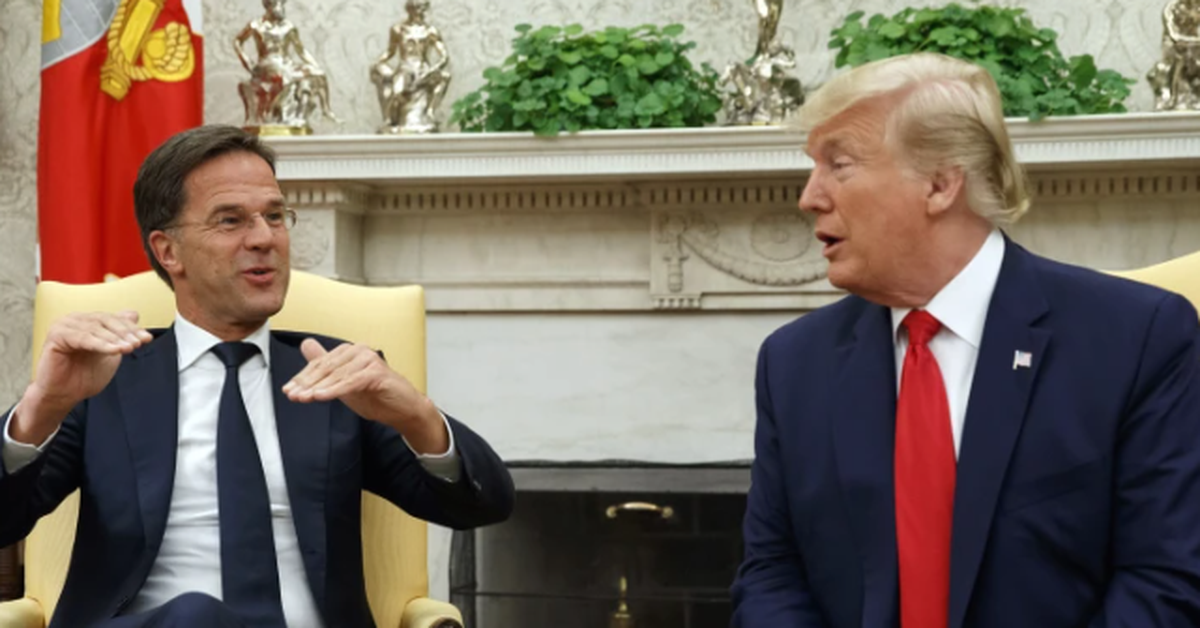
Donald Trump is set to meet with NATO Secretary-General Mark Rutte today, following his recent criticisms of the alliance for not supporting the US’s military actions against Iran. Trump’s frustration with NATO allies has escalated to the point where he has threatened to withdraw the United States from the military pact, which has been in place for 77 years. This discussion could be critical, as the White House indicated that a potential US exit from NATO might be on the table during their meeting at the Oval Office.
In statements made by Trump’s press secretary, Karoline Leavitt, the president expressed disappointment, claiming NATO allies “were tested and failed” during the conflict with Iran by not providing the necessary support. Trump lamented that it was disheartening for NATO to disregard America’s contributions, particularly highlighting that the American public has been funding their defence.
As discussions loom, Leavitt confirmed that the possibility of US withdrawal from NATO is indeed a topic Trump intends to address with Rutte. Throughout his presidency, Trump has repeatedly threatened to pull out of NATO, arguing that member nations rely too heavily on the US military and should thus be increasing their own defence expenditures.
Despite his longstanding grievances, Congress would need to approve any withdrawal from NATO, a significant hurdle given the political landscape. Historically, Trump has maintained a cordial relationship with Rutte, praising him as a “wonderful person,” but this rapport faces strain due to recent NATO decisions. Trump has branded the alliance a “paper tiger” for its lack of involvement in military interventions against Iran, particularly in securing key strategic areas like the Strait of Hormuz, a critical passage for global oil supply.
Recently, Trump also expressed anger towards NATO nations, including Spain and France, for restricting the use of their airspace and military bases during the ongoing conflict. However, despite these tensions, there has been agreement among NATO members to cooperate on establishing an international coalition to ensure safety in the Strait of Hormuz post-conflict.
As this meeting with Rutte approaches, the future of US-NATO relations rests on the discussions regarding military support and collective responsibility in global security matters. Trump’s confrontational approach underscores the shifting dynamics within transatlantic alliances, with potential ramifications for international cooperation moving forward.