
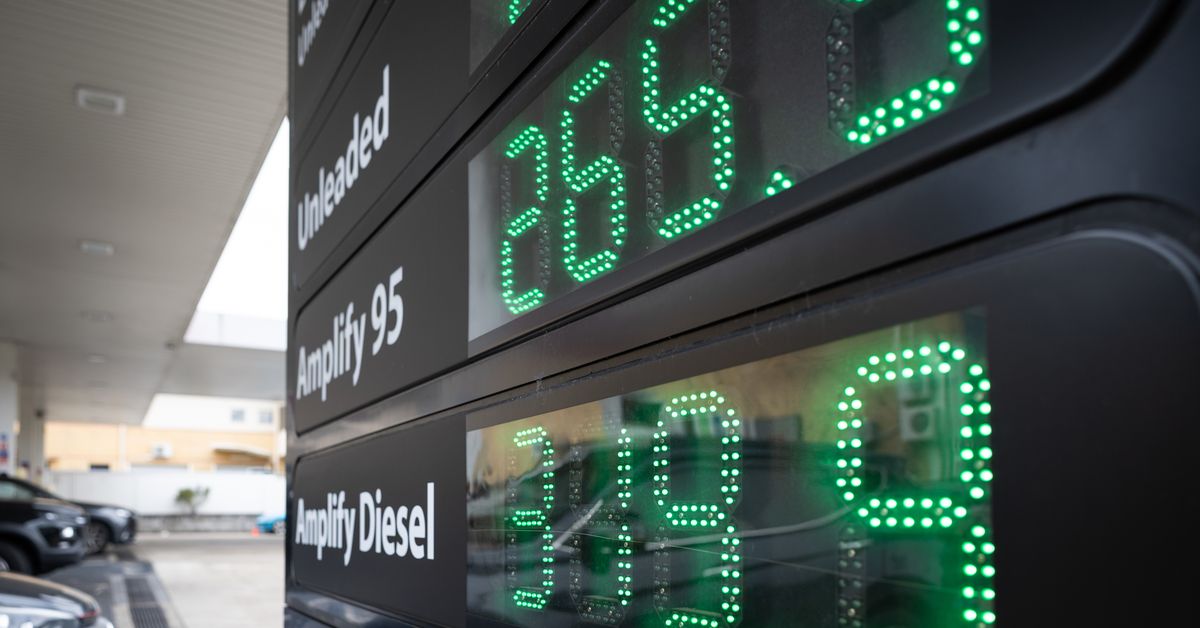
The government’s recent fuel excise cut has been acknowledged, yet drivers are cautioned that the benefits will not be immediately evident at the petrol pump. This decision reduces the tax by 26.3 cents per litre, translating to a potential saving of about $19 on a standard 65-litre tank. Despite reservations, opposition members and crossbenchers support this measure, with calls emerging for more drastic solutions such as increasing domestic oil drilling and implementing fees for electric vehicle users.
Labor Senator Deborah O’Neill highlighted the significance of this reduction, noting its impact on various sectors affected by the escalating fuel costs, stressing that it is not merely impacting families but also essential services and industries that support national infrastructure. Meanwhile, both the opposition and One Nation parties are laying claim to the initiative, asserting that it was their proposal initially, highlighting concerns over delays and the ongoing issues related to fuel security and GST arrangements.
Energy Minister Chris Bowen confirmed that the excise reduction is effective immediately, but due to existing stock in service stations, drivers might not see an immediate price drop. He acknowledged inflationary pressures but deemed the current high prices unlikely to resolve quickly. There are ongoing worries that even with the tax relief, the discount may be swiftly offset by rising living costs.
Liberal Senator Andrew Bragg echoed concerns about Australia’s reliance on imported oil, advocating for local oil refining. Bowen appeared open to the suggestion, provided it is economically viable. Another proposed measure is to accelerate the implementation of road user charges for electric vehicles, ensuring that EV drivers contribute to road maintenance costs, as stated by former Nationals leader David Littleproud.
Additionally, the Greens propose heavier investment in renewable energy sources to reduce dependence on foreign oil, amidst warnings that the situation may worsen due to Australia’s reliance on Asian refineries that process Middle Eastern oil.
While the immediate impacts of the tax cut are still being debated, it is clear that the issue of fuel prices remains a significant concern for many Australians, as they grapple with the broader economic implications linked to global oil markets.