
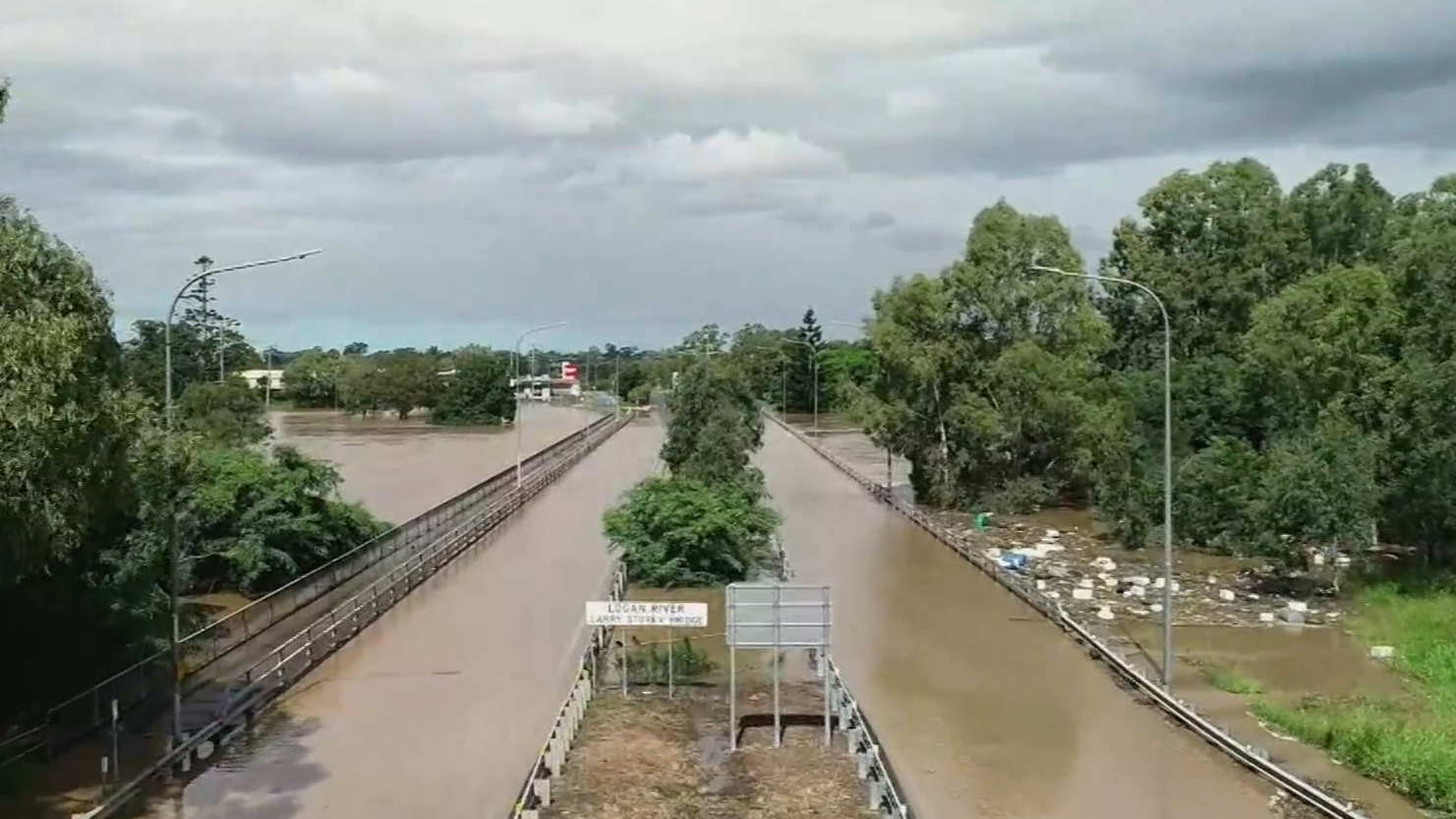
Residents in various communities have expressed their apprehensions regarding the accuracy and implications of flood maps that have been released by local authorities. These maps, which are intended to help pinpoint areas at risk during heavy rainfall or potential flooding events, have sparked debate among homeowners and community members.
Many residents believe that the current flood maps do not accurately reflect the true flood risk of their properties. Concerns include outdated data, which may not account for recent developments, population growth, and changes in land use that could affect water drainage and flood patterns. Homeowners argue that the maps could influence insurance premiums, property values, and decisions around future developments, thereby impacting their financial security and community planning.
Those living in areas previously deemed safe are particularly worried. They fear that insufficient flood assessments might lead to inadequate preparation and response measures during serious weather events. Some residents have reported near misses in past floods, suggesting that their properties were not represented accurately on the maps.
In response to these concerns, community leaders and local councils are being urged to revisit the flood mapping process. Advocates are pushing for more inclusive consultation with residents, as well as the integration of current data and community insights to ensure a comprehensive and precise understanding of flood risks.
The call for improved flood mapping is not only about individual property safety; it extends to overall community resilience. Residents are keen to see better preparedness measures, education on flood risks, and clearer communication from local authorities regarding updates to flood management strategies.
Moreover, community workshops and forums have been mooted as avenues for residents to engage directly with experts and local officials, allowing for collaborative discussions around flood risks and mitigation strategies. By fostering a proactive approach, communities hope to create a system that prioritises comprehensive flood preparedness.
As these discussions continue, it is evident that residents are invested in ensuring that flood maps accurately represent their realities. The outcome of these deliberations will likely have lasting effects on the community’s approach to flood management, property safety, and overall environmental sustainability. With increasing concerns about climate change and extreme weather, the importance of reliable flood risk assessments has never been more crucial.
In summary, as residents voice their concerns, the need for revised and accurate flood maps becomes apparent, highlighting the importance of community involvement in risk assessment and emergency preparedness for a safer future.