
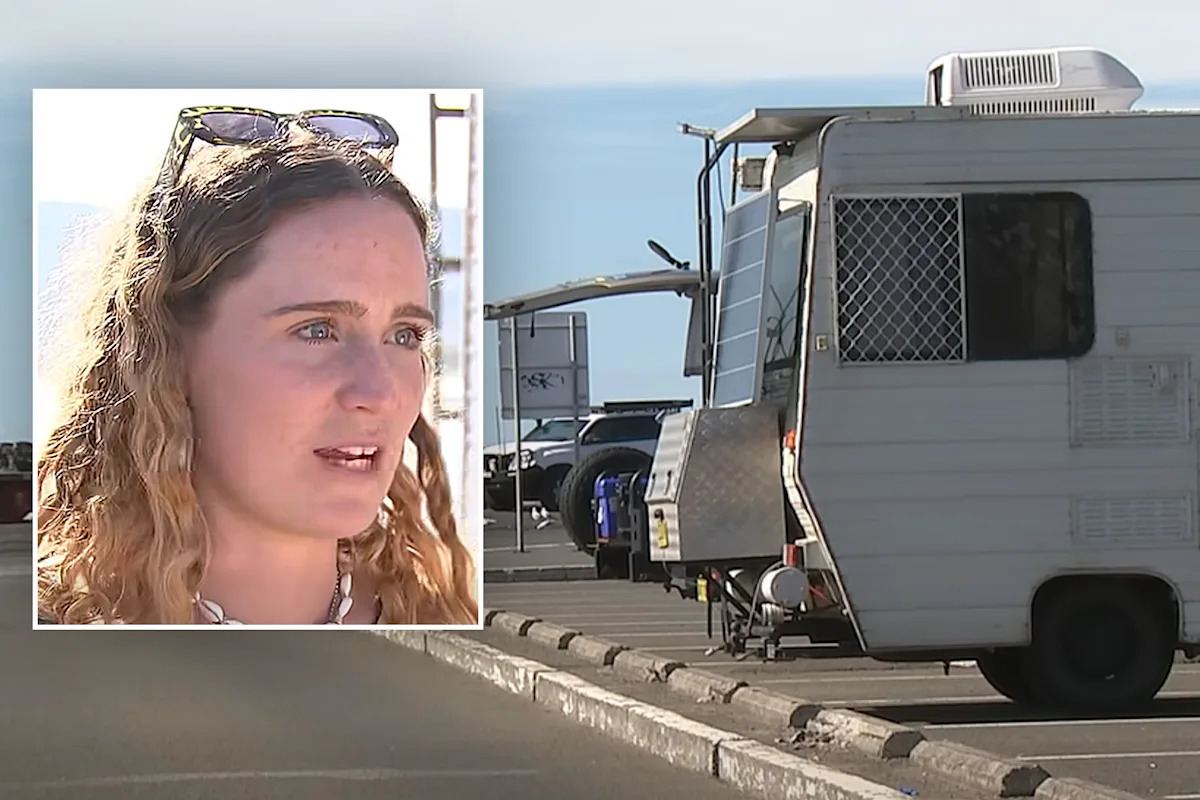
Volunteers on Australia’s east coast are sounding the alarm over a worsening housing crisis, which is increasingly forcing vulnerable individuals and families into their vehicles—often out of sheer necessity rather than choice. Reports highlight instances of mothers and children spending the night in car parks across Illawarra, while others resort to living in caravans or vans as their only option.
Frontline support services are overwhelmed, experiencing a surge in demand and witnessing an alarming number of older Australians being denied emergency housing resources. While this issue is particularly dire in the New South Wales South Coast, it reflects a broader national challenge, with many Australians noting the crisis is spiralling beyond control.
Former tenant Bec shared her experience of being pushed into a van lifestyle due to relentless rent hikes. She emphasised that returning to renting would fundamentally alter her life, forcing her to work more just to afford accommodation. Rob, who has lived in his vehicle for nine years, noted that while he made this choice for ease, many others do not have the luxury of choice, as they seek refuge in car parks as a last resort.
The escalating situation has led local homeless services to assist approximately 40 individuals each month who find themselves sleeping rough. Common sites for those without homes include car parks, sand dunes, and stairwells, where safety is a major concern. Workers at the Wollongong Homeless Hub have reported that even when individuals receive short-term crisis accommodation, the lack of long-term solutions often sees them returning to homelessness within days. A poignant example includes a 71-year-old man who, after being denied further accommodation, was forced back to sleeping in his car.
Advocates are pressing for increased investment in long-term housing solutions and a greater understanding of the plight faced by these vulnerable communities. It’s essential to foster compassion and support for those impacted by the crisis.
Moreover, there’s a growing misconception surrounding vehicle living. People typically associate parked vans and caravans with rule-breaking, overlooking the realities many face. As the number of individuals seeking vehicle shelter rises, calls are mounting for the establishment of designated parking areas to offer a legitimate solution to affordable housing.
Bec commented on the stigma tied to vehicle living, urging a shift in perspective regarding those facing housing instability. Rob echoed her sentiments, highlighting the potential for utilising existing spaces as temporary housing solutions.
This situation, increasingly affecting Australians from various walks of life, underscores the urgent need for compassion, investment, and accessibility in addressing the ongoing housing crisis.