
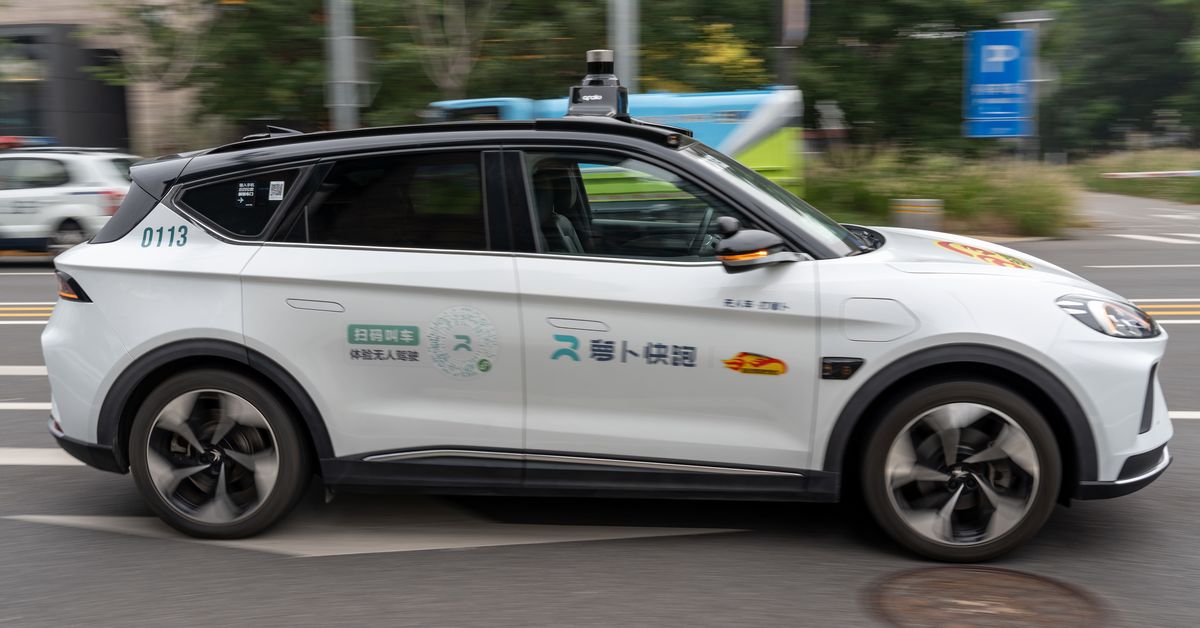
In a significant incident in Wuhan, China, over 100 robotaxis operated by Baidu halted unexpectedly, leaving passengers stranded amid bustling traffic. According to police and media reports on Wednesday, this malfunction was described as a “system failure,” although details remain limited. Fortunately, no injuries were reported.
Passengers recounted harrowing moments as their driverless vehicles ceased operation, one individual shared that their ride stopped abruptly after making a turn. Onboard screens displayed messages warning of the malfunction, stating that staff assistance would arrive shortly. Despite the notifications, when help was delayed, one passenger pressed an SOS button and received confirmation that assistance was on the way. The doors were functional, allowing them to exit the vehicle safely.
This event marks the first significant incident involving a widespread malfunction of robotaxis in China, reminiscent of an occurrence in December when several autonomous cars from Waymo in San Francisco halted due to a power outage.
Baidu, the tech giant behind these taxis, has been expanding its Apollo Go service and recently launched operations in regions such as Abu Dhabi and Dubai, with plans for future services in the UK and Switzerland. As of now, there has been no public comment from Baidu regarding the incident.
Witnesses reported that the first calls about the halted taxis were made around 9 PM. While some passengers managed to leave the stopped vehicles, others hesitated, fearful of stepping out in the middle of the busy ring road where traffic remained fast-moving on either side. These elevated ring roads are designed to facilitate the rapid flow of vehicles in urban settings.
Baidu operates hundreds of these robotaxis in Wuhan, an area chosen for initial pilot projects, and has over 1,000 autonomous vehicles working primarily within China. The company continues to advance its global footprint in the autonomous taxi market, seeking footholds beyond its home country.